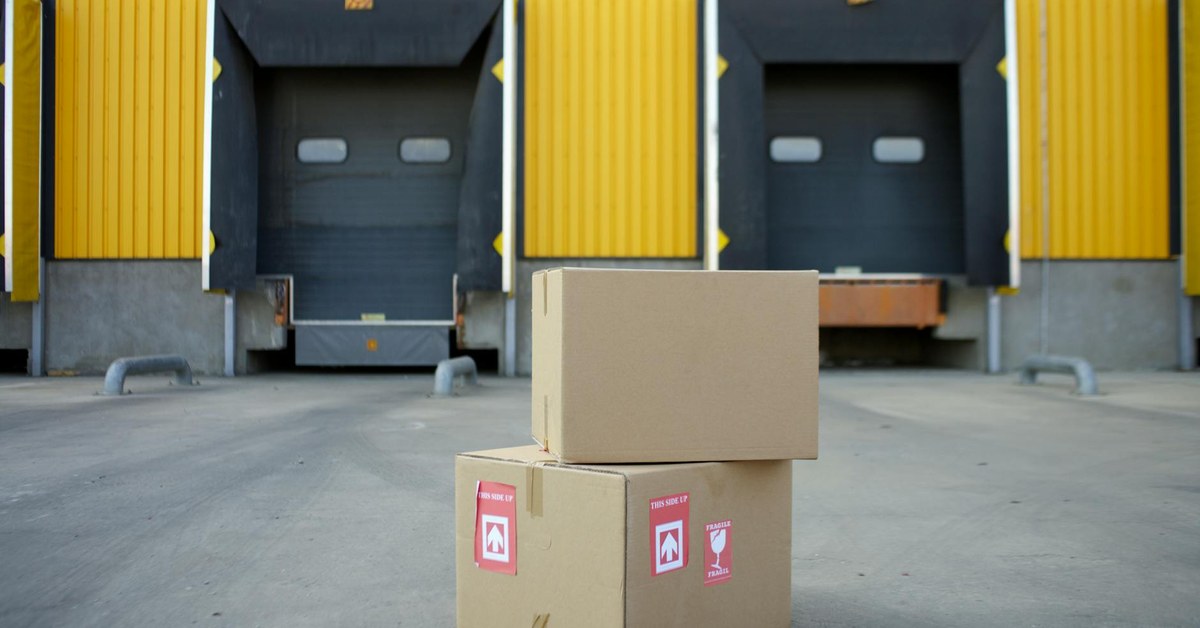

Organisations adopting AI supply chain visibility solutions are demonstrably reducing the time professionals spend on reactive tasks, translating directly into enhanced operational efficiency and strategic resilience. AI supply chain visibility time savings logistics initiatives move beyond simple tracking to offer predictive insights, automated exception handling, and a substantial reduction in the manual effort traditionally required to manage complex global networks. This shift frees up valuable human capital, enabling supply chain directors to focus on strategic planning and innovation rather than persistent fire-fighting, thereby redefining the very nature of logistics management.
The Hidden Cost of Fragmented Visibility: Time as a Vanishing Asset
The contemporary global supply chain is a tapestry of intricate dependencies, prone to disruptions ranging from geopolitical events to localised weather phenomena. Without comprehensive visibility, organisations frequently find themselves reacting to problems rather than pre-empting them. This reactive posture consumes an inordinate amount of time, diverting resources from higher value activities. Research indicates that supply chain professionals spend up to 40% of their time on manual tasks, including chasing status updates, reconciling discrepancies, and managing exceptions. This translates into significant operational drag.
Consider the financial implications. A study by IBM in 2023 estimated that supply chain disruptions cost businesses in the United States, Europe, and Asia Pacific an average of $120 million to $184 million (£95 million to £145 million) annually. A substantial portion of this cost is directly attributable to the time spent diagnosing and mitigating issues that could have been identified earlier with better visibility. For instance, a report by McKinsey found that poor visibility can increase inventory costs by 10% and lead to a 15% rise in expedited shipping expenses. These figures underscore the direct correlation between a lack of visibility and increased operational expenditure, much of which is rooted in inefficient time allocation.
In the UK, the Confederation of British Industry highlighted in 2024 the persistent challenges businesses face in securing supply chain resilience, with many citing a lack of real-time data as a primary impediment. This data deficit forces teams into time-intensive manual checks, phone calls, and email exchanges to ascertain the location and status of goods. A typical scenario involves a customer service representative spending 15 to 20 minutes per query to track a delayed shipment, involving multiple internal departments and external partners. When scaled across hundreds or thousands of shipments daily, this administrative overhead becomes a formidable drag on productivity and profitability.
Moreover, the fragmentation of data across disparate systems, from enterprise resource planning (ERP) platforms to transportation management systems (TMS) and warehouse management systems (WMS), exacerbates the problem. A 2023 survey by Statista revealed that only 6% of organisations globally have achieved full end-to-end supply chain visibility. This means the vast majority are operating with incomplete information, making accurate forecasting and proactive decision-making exceedingly difficult. The time lost in stitching together these data points, often manually, represents a critical but frequently overlooked strategic vulnerability.
The impact extends beyond mere operational inefficiency. The delayed identification of issues can lead to missed delivery windows, penalties from retail partners, and reputational damage. For example, a major European automotive manufacturer reported in 2023 that unexpected delays in component deliveries, often identified too late, resulted in production line stoppages costing approximately €50,000 (£42,000) per hour. The time spent manually identifying the cause and mitigating the disruption directly contributed to these financial losses. This demonstrates that time, or the lack of it, is not merely a productivity metric; it is a direct determinant of financial performance and market standing.
Optimising Logistics: AI Supply Chain Visibility Time Savings Logistics for Strategic Advantage
The advent of artificial intelligence offers a transformative solution to the pervasive challenge of fragmented supply chain visibility. AI supply chain visibility platforms consolidate data from diverse sources, applying advanced algorithms to provide real-time, predictive insights into the entire logistics network. This capability fundamentally alters how supply chain professionals allocate their time, shifting from reactive problem-solving to proactive strategic management. The tangible AI supply chain visibility time savings logistics deliver are substantial, allowing organisations to reallocate human effort towards innovation and competitive differentiation.
One of the most significant time savings comes from automated status updates and predictive analytics. Instead of manually tracking individual shipments across multiple carrier portals or making numerous phone calls, AI powered systems automatically ingest and analyse data from GPS trackers, IoT sensors, electronic data interchange (EDI) messages, and carrier APIs. This provides a single, unified view of all goods in transit. For instance, a 2024 report by Gartner highlighted that organisations implementing real-time transportation visibility solutions experienced a 20% to 30% reduction in customer service calls related to shipment status. This frees up customer service teams to address more complex inquiries, enhancing overall service quality.
Furthermore, AI's predictive capabilities enable early identification of potential disruptions. By analysing historical data, weather patterns, traffic conditions, and geopolitical events, AI algorithms can forecast delays before they occur. This allows supply chain teams to initiate contingency plans hours or even days in advance, significantly reducing the time spent on urgent, high-stress exception management. A large US retail chain, for example, reported a 15% improvement in on-time in-full (OTIF) delivery rates within six months of deploying an AI driven visibility platform. This improvement directly translates to fewer emergency interventions and less time spent mitigating service failures.
The automation of exception management is another critical area for time savings. When a deviation from the planned schedule or route is detected, AI systems can automatically trigger alerts, notify relevant stakeholders, and even suggest corrective actions based on predefined rules and historical outcomes. This reduces the need for manual intervention and decision-making in routine exceptional circumstances. A European logistics provider observed a 25% reduction in the average time taken to resolve shipment exceptions after implementing an AI powered visibility solution. This efficiency gain allows logistics managers to focus on truly unique and complex challenges, rather than repetitive problem-solving.
The strategic value of this reclaimed time cannot be overstated. When supply chain professionals are no longer burdened by constant manual tracking and reactive problem-solving, they can dedicate their expertise to strategic initiatives such as optimising network design, negotiating better terms with suppliers, identifying new market opportunities, and enhancing overall supply chain resilience. This shift transforms the supply chain function from a cost centre into a strategic enabler of business growth. For example, a recent study by Deloitte indicated that companies with higher levels of supply chain visibility are 3 to 5 times more likely to report superior financial performance compared to their peers.
The application of AI in supply chain visibility also extends to demand forecasting and inventory optimisation. By analysing vast datasets, including sales history, promotional data, external economic indicators, and even social media trends, AI can generate more accurate demand forecasts. This reduces instances of stockouts and overstock, both of which are time intensive to correct. Overstock requires time for liquidation and storage, while stockouts demand expedited shipping and customer appeasement, all consuming valuable resources. A major UK food retailer reported a 7% reduction in inventory holding costs and a 10% improvement in forecast accuracy after deploying AI driven demand planning tools. These improvements are intrinsically linked to the time savings achieved through reduced manual adjustments and reactive inventory management.
Ultimately, the strategic imperative of AI supply chain visibility time savings logistics lies in its ability to transform operational expenditure into strategic investment. By automating the mundane and empowering the analytical, organisations can build more agile, responsive, and resilient supply chains that are better positioned to weather disruption and capitalise on market opportunities. The true value is not just in what AI does, but in what it enables human teams to achieve with their liberated time.
Operationalising AI Visibility: Overcoming Implementation Challenges for Timely Gains
While the benefits of AI supply chain visibility are clear, successful implementation requires careful strategic planning to realise the promised time savings. Many organisations underestimate the complexities involved, leading to stalled projects or suboptimal outcomes. Senior leaders must recognise that deploying AI visibility is not merely a technology upgrade; it is a fundamental transformation of operational processes and organisational culture.
A primary challenge lies in data quality and integration. AI systems are only as effective as the data they process. Many legacy supply chain systems suffer from data silos, inconsistencies, and a lack of standardisation. Attempting to feed poor quality data into an AI visibility platform will yield unreliable insights, undermining any potential for time savings. A 2023 survey by PwC found that 70% of companies identify poor data quality as a significant barrier to AI adoption in their supply chains. Addressing this requires a concerted effort to cleanse, standardise, and harmonise data across all internal and external stakeholders, a process that can be time consuming but is absolutely critical for the long-term success of any AI initiative.
Another common pitfall is the failure to secure adequate buy-in from all stakeholders, particularly frontline logistics teams. Resistance to change can manifest if employees perceive AI as a threat to their roles rather than a tool to augment their capabilities. Effective change management strategies are essential, including clear communication about the purpose of the AI system, comprehensive training on new workflows, and demonstrating how the technology will free up time for more engaging and strategic work. Organisations that neglect this human element often find their AI adoption rates remain low, negating the potential for AI supply chain visibility time savings logistics.
Furthermore, the integration of AI platforms with existing enterprise systems presents a significant technical hurdle. Supply chains often rely on a patchwork of ERPs, TMS, WMS, and bespoke systems. Ensuring smooth data flow between these systems and the new AI visibility platform requires strong integration capabilities, often involving application programming interfaces (APIs) and middleware solutions. A report by Accenture in 2024 noted that companies often spend 30% to 50% of their AI project budget on integration efforts alone. This complexity can extend implementation timelines and delay the realisation of time savings if not properly managed from the outset.
Leaders sometimes make the mistake of viewing AI visibility as a one-time project rather than an ongoing strategic capability. The supply chain is dynamic, constantly evolving with new suppliers, routes, and regulatory requirements. An AI visibility platform must be continuously monitored, refined, and updated to maintain its accuracy and relevance. This includes regularly training the AI models with new data, adapting to changes in operational parameters, and integrating new data sources as they become available. Without this continuous optimisation, the system's effectiveness can degrade over time, diminishing the initial time savings achieved.
Finally, the selection of the right AI visibility solution is paramount. Given the diverse offerings in the market, leaders must carefully assess platforms based on their ability to integrate with existing infrastructure, their scalability, the accuracy of their predictive models, and their user experience. Prioritising short-term cost savings over long-term strategic fit can lead to solutions that fail to deliver comprehensive visibility or sufficient automation, thereby limiting the potential for significant AI supply chain visibility time savings logistics. A phased implementation approach, starting with a pilot project in a specific segment of the supply chain, can allow organisations to learn, adapt, and refine their strategy before a full-scale rollout, mitigating risks and optimising for eventual time efficiencies.
Beyond Efficiency: The Strategic Imperatives of Real-time Visibility
While AI supply chain visibility time savings logistics are a compelling immediate benefit, the strategic implications extend far beyond mere operational efficiency. Real-time, intelligent visibility fundamentally transforms an organisation's ability to compete, adapt, and innovate in an increasingly volatile global market. It is not simply about doing things faster; it is about doing fundamentally different, and better, things.
Firstly, enhanced visibility significantly improves supply chain resilience. The past few years have underscored the fragility of global supply chains, with events like the Suez Canal blockage, the COVID-19 pandemic, and regional conflicts causing widespread disruption. Organisations with superior visibility can detect these disruptions earlier, assess their potential impact more accurately, and activate alternative plans with greater speed and precision. A study by the World Economic Forum in 2023 found that companies with advanced visibility capabilities were able to recover from disruptions 2 to 3 times faster than those without. This resilience translates into sustained market presence and reduced financial losses, safeguarding brand reputation and shareholder value.
Secondly, AI powered visibility directly enhances customer satisfaction. In an era where customers expect precise delivery information and swift resolution of issues, real-time tracking and predictive alerts are no longer a luxury but a necessity. By providing accurate estimated times of arrival (ETAs) and proactive communication about delays, organisations can manage customer expectations effectively, even when disruptions occur. This transparency builds trust and loyalty. A survey by Accenture revealed that 89% of customers are more likely to make repeat purchases from companies that provide transparent delivery information. The time saved by logistics teams in managing exceptions can be redirected to improving overall customer experience, creating a virtuous cycle of satisfaction and repeat business.
Thirdly, improved visibility support better strategic decision-making. With a comprehensive, real-time view of the entire supply chain, leaders can make more informed decisions regarding network optimisation, supplier selection, inventory placement, and new market entry. AI can model various scenarios, evaluating the impact of different strategic choices on cost, service levels, and risk. For example, a global pharmaceutical company used AI visibility to analyse its distribution network, identifying opportunities to consolidate warehouses in Europe, reducing overall logistics costs by 8% and improving delivery times to key markets. This level of strategic insight is simply unattainable with fragmented or delayed information.
Furthermore, AI supply chain visibility supports sustainability initiatives. By optimising routes, reducing empty miles, and improving load factors, organisations can significantly lower their carbon footprint. Real-time data on transportation efficiency allows for continuous adjustments to reduce fuel consumption and emissions. A major US consumer goods company reported a 10% reduction in transportation related emissions within two years of implementing an AI driven logistics optimisation and visibility platform. This not only aligns with corporate social responsibility goals but also positions the organisation favourably with environmentally conscious consumers and investors.
Finally, the strategic value of AI visibility extends to encourage innovation within the supply chain. By automating routine tasks and providing deeper insights, logistics professionals are freed to explore new technologies, develop innovative delivery models, and experiment with novel approaches to problem-solving. This shift from operational execution to strategic innovation is crucial for maintaining a competitive edge in rapidly evolving industries. The time saved through AI powered visibility becomes a catalyst for future growth, allowing organisations to anticipate market shifts and proactively shape their future rather than merely reacting to present circumstances.
In essence, AI supply chain visibility time savings logistics represent an investment in the strategic future of an enterprise. It empowers leaders to transform their supply chains from a source of vulnerability and cost into a dynamic engine of competitive advantage, resilience, and sustainable growth. The question is no longer whether to adopt these technologies, but how to implement them most effectively to unlock their full strategic potential.
Key Takeaway
AI supply chain visibility fundamentally redefines logistics by dramatically reducing the time professionals spend on manual tracking and reactive exception management. This strategic shift liberates valuable human capital, enabling teams to focus on proactive planning, innovation, and enhancing supply chain resilience. The resulting efficiencies not only cut operational costs but also drive significant improvements in customer satisfaction and overall business competitiveness, positioning organisations for sustainable growth in complex global markets.