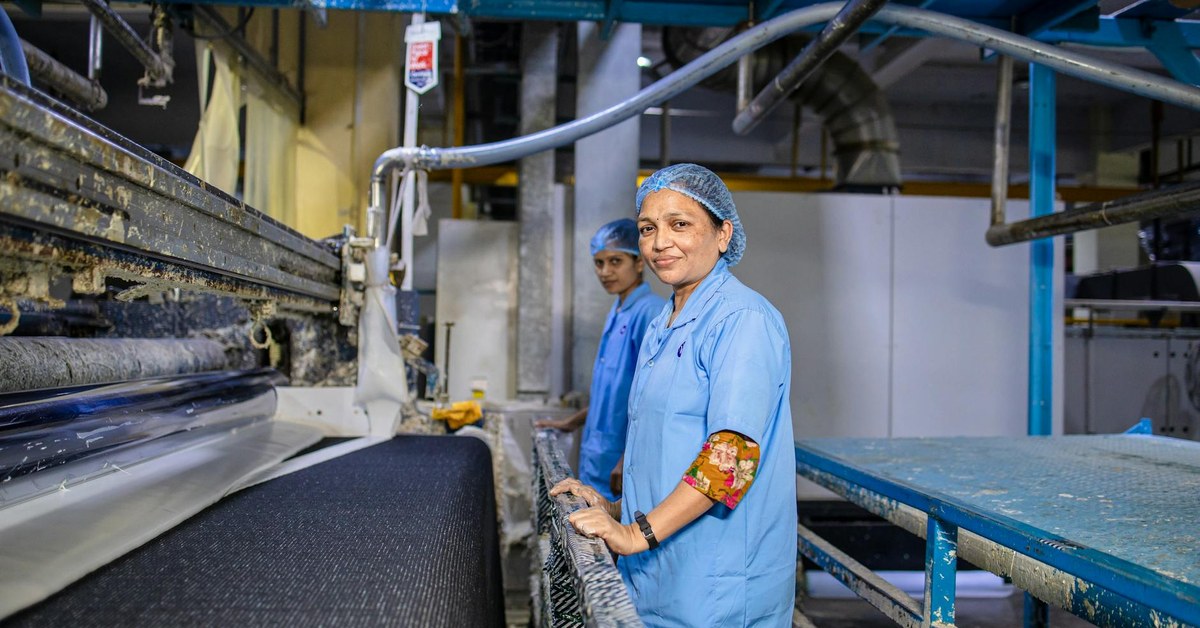

An efficiency assessment for small manufacturing companies is not merely about trimming costs; it is a strategic imperative for identifying systemic bottlenecks, optimising resource allocation, and ensuring sustainable growth in competitive markets. For businesses employing 10 to 50 individuals, where every resource and minute counts, a thorough diagnostic review of operational processes, from raw material intake to finished product dispatch, can uncover significant opportunities to enhance productivity, reduce waste, and improve overall profitability. This type of assessment moves beyond anecdotal observations, providing data-driven insights essential for informed decision making.
The Critical Need for an Efficiency Assessment in Small Manufacturing Companies
Small manufacturing companies operate within a challenging environment. They often compete with larger, more resourced players while grappling with fluctuating material costs, labour shortages, and evolving customer demands. In such a environment, inefficiency is not just an inconvenience; it is a direct threat to viability and growth. Unlike larger corporations that might absorb minor inefficiencies, a small manufacturer with 10 to 50 employees feels the impact of every wasted hour, every rejected batch, and every delayed shipment acutely.
Consider the UK, where manufacturing SMEs account for over 99% of all manufacturing businesses. A report by the Department for Business, Energy and Industrial Strategy highlighted that productivity among UK SMEs lags behind their larger counterparts. This productivity gap translates directly into lost revenue and reduced competitive advantage. Similarly, in the US, small manufacturers contribute significantly to the economy, yet often struggle with adopting advanced manufacturing techniques that could boost efficiency. Research from the National Association of Manufacturers indicates that while 90% of manufacturers believe technology adoption is crucial, many small firms face barriers to implementation, often due to a lack of clear understanding of their current operational baseline.
Across the European Union, small and medium sized enterprises, including manufacturers, represent 99.8% of all businesses. The European Commission consistently identifies productivity and resource efficiency as key areas for improvement to strengthen their global competitiveness. For a small manufacturing company, inefficiencies manifest in various forms: excessive inventory holding costs, prolonged lead times that frustrate customers, machine downtime due to inadequate maintenance, or a high rate of product defects necessitating costly rework. Each of these symptoms points to deeper systemic issues that an objective efficiency assessment can diagnose. Without a clear understanding of where these inefficiencies lie and their true cost, efforts to improve are often misdirected, yielding minimal results and consuming valuable resources.
The strategic value of such an assessment lies in its ability to quantify these hidden costs. For instance, a small metal fabrication shop might experience 15% material waste, seemingly a minor operational cost. However, when aggregated over a year, this could represent tens of thousands of pounds or dollars in lost value, directly impacting the bottom line. Furthermore, extended production cycles can mean missed opportunities for new orders, reduced capacity, and ultimately, stifled growth. An efficiency assessment provides the diagnostic clarity needed to identify these specific problems and their root causes, enabling targeted and effective interventions.
Beyond Basic Cost Cutting: The Strategic Imperative of Operational Insight
Many small business leaders intuitively understand the need to reduce costs. However, a superficial approach to cost cutting, such as delaying equipment upgrades or reducing staff training, often proves counterproductive in the long run. These measures can degrade product quality, decrease employee morale, and ultimately impair operational capability. The strategic imperative of an efficiency assessment extends far beyond simple cost reduction; it is about cultivating a culture of continuous improvement and data-driven decision making.
True operational insight stems from a comprehensive understanding of process flows, resource utilisation, and value creation. For a small manufacturing company, this means analysing the entire value stream, from initial order placement to final delivery. For example, a study by McKinsey & Company on manufacturing productivity highlighted that companies that focus on end-to-end process optimisation, rather than isolated improvements, achieve significantly greater gains in efficiency and profitability. This insight is equally applicable, if not more so, to smaller firms where interdependencies between processes are often tighter and more pronounced.
Consider a small furniture manufacturer. They might believe their cutting department is efficient, but an assessment could reveal that the material handling process leading up to cutting is disorganised, causing significant delays and errors. Or, the finishing department might be bottlenecked due to a lack of appropriate drying space, leading to a build up of work-in-progress inventory and extended lead times. These are not issues that can be solved by simply telling employees to "work faster" or by cutting the budget for certain supplies. They require a systematic review of workflows, equipment placement, scheduling, and communication protocols.
The strategic value also lies in identifying opportunities for capacity expansion without significant capital expenditure. Many small manufacturers assume that to increase output, they must invest in new machinery or expand their physical footprint. However, an efficiency assessment frequently reveals untapped capacity within existing operations. By eliminating non-value-added activities, reducing changeover times, or optimising machine scheduling, a firm can often increase its output by 10% to 20% or more, using the same resources. This not only enhances profitability but also improves the company's ability to respond to market demand and grow its customer base.
Furthermore, an efficiency assessment helps in establishing strong performance metrics. Without clear, measurable indicators, it is impossible to track progress or identify areas of decline. Many small businesses rely on financial statements as their primary measure of performance. While essential, these often provide a lagging indicator. Operational metrics, such as overall equipment effectiveness (OEE), first pass yield, cycle time, and inventory turnover, offer real-time insights into the health of manufacturing processes. A comprehensive assessment helps in defining these metrics, establishing benchmarks, and setting up systems for ongoing monitoring, thereby transforming operational management from reactive to proactive.
Key Areas for an Efficiency Assessment in Small Manufacturing Operations
When undertaking an efficiency assessment for small manufacturing companies, the focus must be granular, examining every component of the production process. For businesses with 10 to 50 employees, the interconnectedness of these components means that an issue in one area can quickly cascade, affecting the entire operation. An effective assessment examine into several critical areas, providing a comprehensive view of operational health.
Process Flow and Layout Optimisation
This is often the starting point. It involves mapping the entire production process from raw material receipt to final product shipment. The aim is to identify bottlenecks, redundant steps, excessive movement of materials or personnel, and opportunities for streamlining. For instance, a small plastics injection moulding company might discover that its mould storage area is far from the machines, leading to significant time spent on mould changes. Reconfiguring the layout or implementing a more organised storage system could drastically reduce changeover times. Data from a recent study by the Manufacturing Extension Partnership (MEP) in the US showed that layout optimisation and lean manufacturing principles can reduce lead times by 25% to 50% for small and medium manufacturers.
Inventory Management and Control
Holding too much inventory ties up capital and occupies valuable space. Too little can lead to production stoppages and missed orders. An assessment evaluates raw material, work-in-progress, and finished goods inventory levels against demand patterns, supplier lead times, and production schedules. It identifies opportunities to implement systems for better forecasting and just-in-time principles where appropriate. For example, a small food processing plant might find it holds three months of a certain ingredient when suppliers can deliver weekly, freeing up significant working capital. A survey by the Chartered Institute of Procurement & Supply (CIPS) in the UK indicated that poor inventory management costs businesses up to 10% of their annual revenue.
Machine Utilisation and Maintenance
For small manufacturers, machinery represents a substantial capital investment. Ensuring these assets are operating at peak efficiency is paramount. An assessment examines machine uptime, downtime causes, changeover times, and maintenance schedules. It identifies if machines are being underutilised, if preventative maintenance is lacking, or if setups are unnecessarily complex. Implementing a structured preventative maintenance programme, for instance, can reduce unexpected breakdowns by 20% to 30%, according to industry benchmarks, improving OEE. This also involves analysing data collection methods, if available, to understand true run rates versus theoretical capacities.
Quality Control and Rework
Defects and rework are direct costs that erode profitability. An efficiency assessment scrutinises quality control points, defect rates, and the root causes of non-conformance. It identifies where quality issues originate in the process and suggests improvements to prevent them, rather than just detecting them at the end. For a small electronics assembly firm, this might involve reviewing soldering processes or component handling procedures. The European Foundation for Quality Management (EFQM) reports that poor quality can cost businesses between 5% and 30% of their sales revenue, a burden a small manufacturer can ill afford.
Workforce Optimisation and Training
The skills, engagement, and efficiency of the workforce are critical. An assessment reviews job roles, skill matrices, training programmes, and communication channels. It identifies skill gaps, opportunities for cross-training, and ways to empower employees to contribute to process improvement. For example, a small textile manufacturer might find that operators are not adequately trained on new machinery, leading to slower production speeds and higher error rates. Investments in targeted training can yield significant returns, improving productivity and reducing turnover. A recent study by the CBI in the UK indicated that businesses that invest in employee training see an average productivity increase of 2 to 4 percentage points.
Technology Integration and Data Management
Many small manufacturers still rely on manual processes or disparate systems. An assessment evaluates the current technology stack, from order management to production planning and data collection. It identifies opportunities to integrate systems, automate repetitive tasks, and use data more effectively for decision making. This does not necessarily mean investing in expensive, complex enterprise resource planning systems, but rather identifying practical, scalable solutions like production monitoring software or digital work instructions that fit the company's size and budget. The US National Institute of Standards and Technology (NIST) highlights that digital transformation initiatives can increase small manufacturer revenue by 10% to 15%.
Each of these areas is intertwined. An improvement in one often positively impacts others. For example, better inventory control can free up space, allowing for a more efficient layout. Improved workforce training can reduce defects, enhancing quality control. A comprehensive efficiency assessment for small manufacturing companies provides a roadmap for addressing these interconnected challenges systematically.
Implementing an Efficiency Assessment: Navigating Challenges and Maximising Returns
Undertaking an efficiency assessment, even for a small manufacturing company, presents its own set of challenges. Small business owners often wear multiple hats, leading to time constraints and a difficulty in stepping back from day-to-day operations to conduct an objective review. There can also be an internal resistance to change, a fear of disrupting established routines, or concerns about the cost and perceived complexity of the assessment process itself. However, by understanding these hurdles and approaching the assessment strategically, small manufacturers can maximise their return on investment.
Overcoming Internal Resistance and Time Constraints
One of the primary challenges is the availability of internal resources. A small team of 10 to 50 employees means that diverting personnel to an assessment project can feel like a strain on production. This is where the value of an objective, external perspective becomes clear. External advisers bring specialised expertise and a fresh pair of eyes, identifying inefficiencies that internal teams, accustomed to existing processes, might overlook. They can also dedicate focused time to the assessment without diverting internal staff from their core responsibilities, thereby minimising operational disruption. Leaders must communicate the long-term benefits of the assessment to their teams, framing it as an investment in the company's future and job security, rather than a critique of current performance.
The Diagnostic Process
A typical efficiency assessment for small manufacturing companies involves several key stages. It begins with a discovery phase, where advisers immerse themselves in the company's operations, reviewing existing data, interviewing key personnel, and observing production processes firsthand. This is followed by a detailed analysis of findings, identifying specific bottlenecks, waste points, and areas for improvement. Crucially, this analysis is data-driven, using metrics such as cycle times, defect rates, and material usage to quantify inefficiencies. For example, a small fabrication shop might find its average changeover time for a specific machine is 45 minutes, but with process improvements, it could realistically be reduced to 15 minutes, adding significant available production hours each week. This level of detail provides a compelling business case for change.
Delivering Actionable Insights, Not Just Problems
The output of a strong efficiency assessment is not merely a list of problems. It is a prioritised roadmap of actionable recommendations, complete with estimated costs, expected benefits, and a proposed implementation timeline. For instance, instead of simply stating "inventory is too high," the assessment might recommend implementing a vendor managed inventory system for specific high-volume components, projecting a 20% reduction in carrying costs and a 15% improvement in cash flow over 12 months. This specificity allows leaders to make informed decisions about where to invest their limited resources for the greatest impact. A study by the EU's Enterprise Europe Network noted that SMEs engaging in structured business improvement projects reported an average increase in turnover of 10% to 20% within two years.
Maximising Returns and Long-Term Impact
The return on investment from an efficiency assessment can be substantial. Beyond direct cost savings from reduced waste or improved productivity, the benefits extend to enhanced customer satisfaction through faster lead times and higher quality products, improved employee morale due to more streamlined processes, and a stronger competitive position in the market. For a small manufacturer, these improvements can mean the difference between stagnation and sustainable growth. For example, a small custom parts manufacturer in Germany, after an efficiency assessment, was able to reduce its lead time by 30%, allowing it to secure larger contracts and increase its annual revenue by €500,000 (£425,000 or $540,000) within 18 months. This was achieved without significant capital expenditure, primarily through process and layout optimisations.
Furthermore, an efficiency assessment instils a culture of continuous improvement. It provides the initial impetus and framework for ongoing operational excellence, equipping the leadership team with the tools and insights to monitor performance and adapt to future challenges. This strategic perspective transforms efficiency from a reactive concern into a proactive, embedded component of the business strategy, ensuring the company remains agile and competitive in the long term.
Key Takeaway
An efficiency assessment for small manufacturing companies, particularly those with 10 to 50 employees, is a vital strategic investment that moves beyond simple cost cutting to diagnose systemic operational bottlenecks. By providing data-driven insights into process flows, inventory management, machine utilisation, quality control, workforce optimisation, and technology integration, it enables leaders to make informed decisions. This diagnostic approach not only uncovers significant opportunities for productivity gains and waste reduction but also establishes a foundation for continuous improvement, securing sustainable growth and a stronger market position.