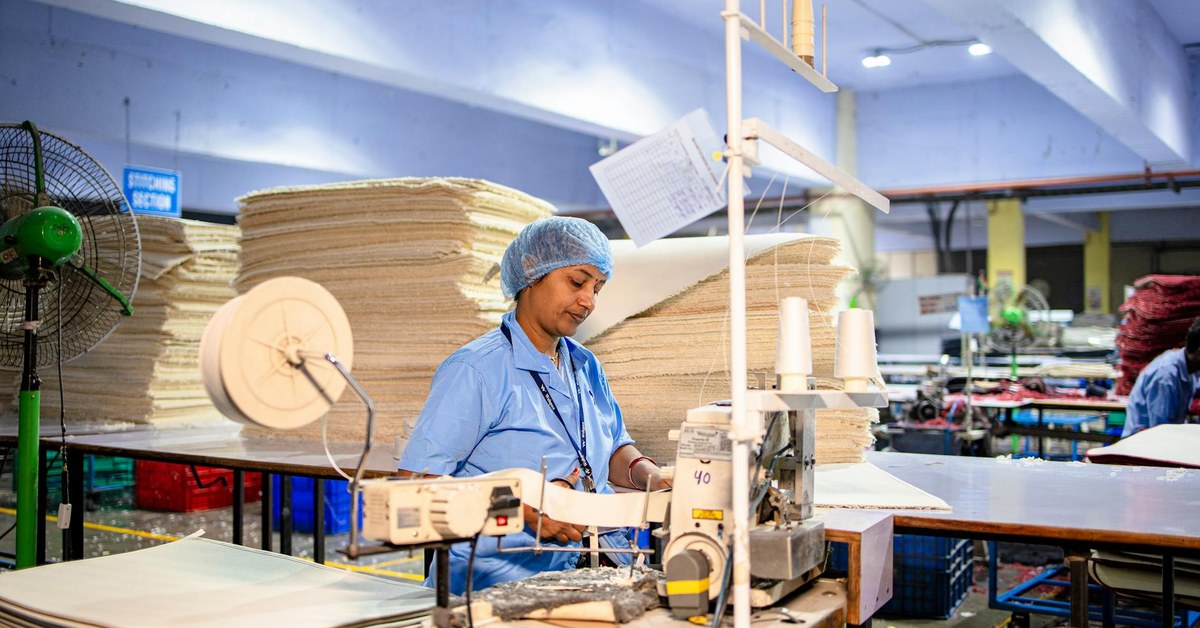

For manufacturing companies, suboptimal hiring efficiency represents a significant strategic liability, extending far beyond immediate recruitment costs. It directly erodes productivity, compromises product quality, inflates operational expenses, and diminishes competitive advantage. Addressing hiring efficiency in manufacturing companies is not merely an HR function; it is a critical operational imperative demanding executive attention to safeguard long-term organisational viability and profitability.
The Pervasive Costs of Suboptimal Hiring in Manufacturing
The financial and operational repercussions of inefficient hiring practices in manufacturing are often underestimated, yet they manifest as substantial drains on a company's resources and performance. The direct costs of a single hire are considerable. Research from the Society for Human Resource Management in the US suggests that the average cost to hire a new employee can be around $4,700 (£3,800). This figure, however, represents a conservative average and dramatically understates the true expense for specialised manufacturing roles. These expenses encompass advertising, screening processes, multiple interview rounds, background checks, and the administrative burden of onboarding.
Beyond the initial recruitment outlay, the cost of staff turnover in manufacturing is particularly acute. Oxford Economics research for the UK indicated that the average cost of staff turnover per employee is approximately £30,614. For roles demanding specific technical skills, extensive safety certifications, or prolonged on-the-job training within a manufacturing environment, this figure can escalate significantly. This cost includes not only the direct expenses of finding a replacement but also the lost institutional knowledge, the time invested by management in exit interviews, and the potential impact on team morale.
The financial burden is further compounded by the cost of a "bad hire". The US Department of Labor estimates that a poor hiring decision can cost an organisation up to 30% of the employee's first year's salary. In manufacturing, this percentage can be a significant underestimate when considering the wider implications. A misaligned hire might lead to increased scrap rates, quality control failures, machinery damage due to improper operation, or even serious safety incidents. Each of these outcomes carries a direct financial penalty, from material waste and rework costs to regulatory fines and increased insurance premiums, all of which directly affect the bottom line.
Time to hire is another critical metric where inefficiencies prove costly. The average time to fill a position in manufacturing can be protracted, particularly for skilled trades and specialist engineering roles where talent shortages are prevalent across global markets. Data from the European Labour Force Survey consistently highlights persistent skills gaps within the manufacturing sector across the EU, indicating that recruitment processes frequently become extended. Longer hiring cycles translate directly into production delays, increased overtime payments for existing staff covering vacant roles, and missed opportunities to expand capacity or take on new projects. For example, if a critical production line supervisor position remains unfilled for an extra month, the ripple effect on output, scheduling, and quality assurance can amount to hundreds of thousands of pounds or dollars in lost revenue and increased operational strain.
The impact on productivity from a vacant position or an underperforming new hire is immediate and measurable. In lean manufacturing environments, where processes are highly optimised and buffers are minimal, a single point of failure or inefficiency can disrupt an entire production chain. If a key machine operator, a quality assurance technician, or a maintenance engineer role is either unfilled or occupied by an unsuitable candidate, production lines can slow, halt, or produce defective goods. This directly impacts output targets, delivery schedules, and ultimately, customer satisfaction and profitability. The strategic importance of optimising hiring efficiency in manufacturing companies cannot be overstated, as it directly underpins operational stability and financial performance.
Beyond the Obvious: Unseen Erosion of Value in Production Environments
While the direct financial implications of poor hiring are substantial, the less visible, indirect costs often inflict deeper, more insidious damage on manufacturing organisations. These unseen erosions of value can undermine the very fabric of operational excellence and long-term competitiveness.
One of the most significant yet frequently overlooked costs is the impact on existing staff morale and team cohesion. When a new hire proves to be a poor fit, existing team members are often compelled to shoulder additional responsibilities, correct errors, or manage interpersonal friction. This can lead to increased workload, frustration, burnout, and a decline in overall team morale. Gallup research consistently indicates that low employee engagement costs the global economy trillions of dollars annually in lost productivity and innovation. In a manufacturing setting, where teamwork and smooth handover are critical, a single disengaged or disruptive individual can poison the atmosphere, leading to higher voluntary turnover among high-performing, experienced staff who seek more stable and productive environments.
Quality and safety are paramount in manufacturing, and poor hiring decisions pose significant risks to both. A new employee lacking the requisite attention to detail, technical proficiency, or adherence to established protocols can compromise product quality. This can manifest as increased scrap rates, costly reworks, warranty claims, and ultimately, severe reputational damage. For example, a defect tracing back to an individual's error can lead to expensive product recalls, as seen in various industries from automotive to electronics. The US Consumer Product Safety Commission reports billions of dollars in costs annually due to product-related incidents, many of which can be traced back to human error or inadequate training. Furthermore, safety incidents, often linked to insufficient training, poor judgement, or a disregard for safety procedures by new hires, carry immense human and financial costs. These include regulatory fines, increased insurance premiums, lost production time due to investigations, and the immeasurable cost of human suffering. A strong safety culture, which is directly impacted by the quality of hires, is non-negotiable in manufacturing.
Innovation and continuous improvement, critical drivers of competitive advantage, are also vulnerable to hiring inefficiencies. Manufacturing relies heavily on iterative process optimisation, the adoption of new technologies, and a workforce capable of adapting to change. A workforce that experiences high churn rates or lacks the right blend of skills and mindset can stifle innovation. New hires who are not a good cultural fit or who resist new methodologies can impede progress, fail to contribute fresh perspectives, or struggle to adapt to evolving production techniques and automation. This can leave a company lagging behind competitors in efficiency gains, product development cycles, and market responsiveness. Organisations in the EU, facing increasing global competition, recognise that a stable, skilled, and adaptable workforce is central to maintaining an innovative edge.
Finally, the erosion of customer relationships can be a devastating, long-term consequence. Delays in production, quality control failures, or inconsistent product delivery stemming from recruitment inefficiencies directly impact customer satisfaction. Missed deadlines or substandard products can lead to cancelled orders, lost future business, and a tarnished brand image that takes years, if not decades, to rebuild. A global survey by PwC found that customer experience is a key differentiator in today's markets, and operational failures directly impact this perception. In a sector where supply chain reliability and product quality are foundational, ensuring high hiring efficiency in manufacturing companies is not just an internal concern, but a critical component of external market standing and customer trust.
Misconceptions and Strategic Blind Spots in Manufacturing Recruitment
Many manufacturing leaders, despite their operational acumen, often fall prey to common misconceptions and strategic blind spots when it comes to recruitment. These oversights perpetuate inefficiencies and prevent organisations from building the strong talent pipeline necessary for sustained success.
A prevalent issue is reactive hiring. Too many manufacturing companies initiate recruitment processes only when a vacancy becomes critical, often spurred by an unexpected departure or a sudden increase in demand. This 'firefighting' approach inevitably leads to rushed decisions, compromises on candidate quality, and increased recruitment costs, as premium fees may be paid for expedited searches or temporary staff. This contrasts sharply with strategic workforce planning, which proactively anticipates future talent needs based on production forecasts, technological advancements, market shifts, and planned organisational growth. Without a forward-looking strategy, companies are perpetually playing catch-up, unable to build a deep bench of qualified candidates.
Another significant blind spot is the overreliance on technical skills alone. While technical proficiency, such as the ability to operate complex machinery or perform intricate assembly tasks, is undeniably vital in manufacturing, an exclusive focus on these 'hard skills' overlooks equally crucial attributes. Cultural fit, problem-solving capabilities, adaptability, communication skills, and a strong adherence to safety protocols are often undervalued. A highly skilled individual who cannot collaborate effectively within a team, struggles with change, or disregards safety regulations can be more detrimental to a production environment than a moderately skilled, team-oriented individual who is eager to learn. Research from LinkedIn indicates that 92% of talent professionals globally believe soft skills are as important or more important than hard skills, a sentiment that manufacturing leaders must embrace.
Insufficient investment in employer branding also constitutes a major strategic oversight. Manufacturing often struggles to attract top talent, particularly younger generations, due to outdated perceptions of the industry or a lack of proactive effort in showcasing modern production environments. Companies that fail to highlight their innovative processes, advanced technology adoption, career development opportunities, and positive work culture miss out on attracting a wider, more diverse pool of qualified candidates. This issue is particularly pressing in tight labour markets, such as those seen across the UK and many parts of the EU, where demographic shifts are reducing the available workforce and competition for skilled labour is intense. An appealing employer brand is no longer a 'nice to have' but a strategic imperative for talent attraction.
Finally, a pervasive blind spot is the lack of data-driven decision making in recruitment. Hiring decisions are frequently based on intuition, subjective interview impressions, or limited historical data rather than comprehensive analytics. Modern recruitment, particularly for complex manufacturing roles, should incorporate a scientific approach. This involves collecting and analysing data on candidate sourcing effectiveness, the predictive validity of assessment tools, onboarding success rates, and the correlation between hiring decisions and long-term employee performance, retention, and even safety records. Without this critical data, organisations cannot objectively identify bottlenecks, measure the return on investment of their recruitment efforts, or systematically refine their processes. The absence of strong metrics means that inefficient practices persist, and the organisation remains unaware of the true cost of its suboptimal hiring efficiency in manufacturing companies.
Cultivating a Data-Driven Approach to Hiring Efficiency in Manufacturing
To move beyond reactive and inefficient recruitment, manufacturing leaders must adopt a proactive, data-driven, and strategically integrated approach to talent acquisition. This model shift positions hiring efficiency not as an isolated HR task, but as a core component of operational excellence and long-term business strategy.
The foundation of this approach is strong strategic workforce planning. This extends beyond simply forecasting immediate vacancies; it involves a comprehensive analysis of future talent needs based on anticipated production volumes, planned technological advancements such as automation and digitisation, market demands, and projected skill gaps. For instance, a German automotive supplier planning to introduce advanced robotics on its assembly lines needs to forecast the precise requirements for robotics engineers, data analysts, and maintenance technicians well in advance. This proactive planning allows for the development of talent pipelines, succession planning for critical roles, and strategies for upskilling or reskilling the existing workforce, thereby mitigating future talent shortages and reducing the reliance on costly, last-minute recruitment drives.
Implementing standardised, objective assessment methodologies is another critical step. Moving beyond unstructured interviews, which are notoriously prone to bias and have low predictive validity, manufacturing companies should adopt validated assessment tools. These might include psychometric tests for cognitive abilities, problem-solving skills, and key personality traits relevant to manufacturing environments, such as conscientiousness and attention to detail. Technical skills assessments, tailored to specific machinery, software, or processes, provide objective measures of candidate capability. Structured behavioural interviews, designed to evaluate past performance in situations relevant to the role, further reduce subjectivity and improve the predictability of candidate success. These methods ensure that hiring decisions are based on evidence, rather than intuition, leading to a better fit and higher quality of hire.
An optimised candidate experience is also paramount in a competitive talent market. A streamlined, transparent, and respectful recruitment journey is crucial for attracting and retaining top talent in manufacturing. This encompasses clear communication at every stage, efficient scheduling of interviews and assessments, and timely, constructive feedback. In competitive markets, candidates often have multiple offers, and a positive recruitment experience can be a significant differentiator, influencing offer acceptance rates and encourage early engagement. Conversely, a poor candidate experience can lead to negative brand perception, discourage future applications, and even deter potential customers.
Furthermore, the efficacy of hiring does not conclude with an accepted offer; it extends through strong onboarding and continuous professional development. A structured onboarding programme is essential to ensure new hires quickly become productive, understand company culture, and integrate effectively into their teams
Find your hidden hours
A conversation with Clara, our AI adviser, followed by a personalised report and one-to-one debrief. If we can’t find at least 5 recoverable hours, you pay nothing.
Keep reading
More from this topic