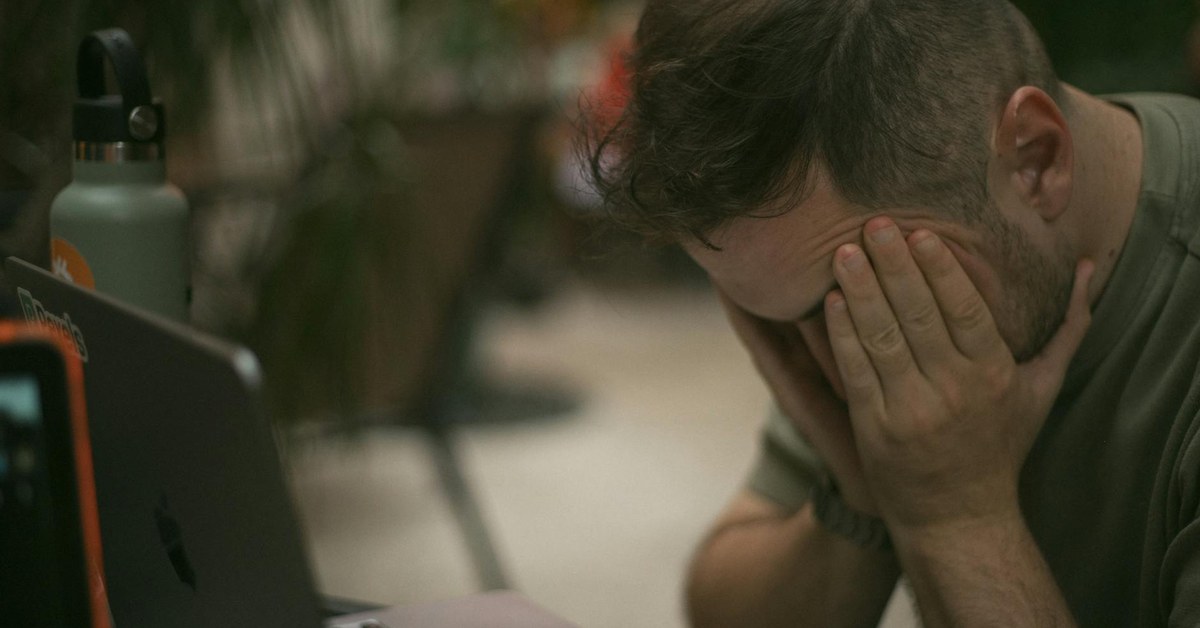

Burnout among CEOs is not merely a personal failing; it is a systemic vulnerability that undermines organisational resilience, strategic foresight, and market competitiveness. Far from being an isolated occurrence, research consistently indicates that a significant majority of chief executives across global markets experience symptoms consistent with clinical burnout, often masked by an ingrained culture of relentless performance and stoicism. This pervasive condition, characterised by emotional exhaustion, depersonalisation, and a reduced sense of personal accomplishment, represents a profound strategic risk that few organisations adequately acknowledge or address, with direct implications for their long-term health and shareholder value.
The Concealed Crisis: Quantifying How Common is Burnout Among CEOs
The question of how common is burnout among CEOs is fraught with complexity. Unlike employee burnout, which is increasingly discussed and measured, executive burnout often remains a silent epidemic. Leaders are conditioned to project strength, resilience, and an unwavering commitment to their organisations, making self-reporting of vulnerability a professional taboo. This cultural imperative creates a significant reporting gap, meaning that official statistics likely represent a conservative estimate of the true prevalence.
Despite these challenges, various studies and surveys offer a sobering glimpse into the executive psyche. In the United States, for instance, academic research and industry polls have repeatedly shown that a substantial proportion of senior leaders report experiencing significant stress and burnout symptoms. One extensive survey revealed that over 70 per cent of C-suite executives felt overwhelmed by their responsibilities, with nearly half reporting symptoms indicative of high burnout. Another study focusing on top-tier executives indicated that approximately 60 per cent experienced chronic stress, directly impacting their decision-making capabilities and overall well-being. These figures suggest that the perceived rarity of CEO burnout is a dangerous illusion; in reality, it is a pervasive challenge.
Across the Atlantic, the situation in the United Kingdom mirrors these trends. Economic uncertainty, geopolitical shifts, and the pressures of a highly competitive market have exacerbated the demands on British CEOs. Research from a prominent UK business institute highlighted that nearly 55 per cent of senior leaders admitted to feeling increased levels of stress and exhaustion compared to previous years. A separate report found that 45 per cent of UK executives considered leaving their roles due to stress and burnout. The financial implications are substantial, with an estimated cost in lost productivity and healthcare expenditures running into billions of pounds annually.
Within the European Union, the picture is equally concerning, though cultural nuances in reporting stress can vary. In countries such as Germany and France, where work-life balance is often culturally prioritised, the pressures on CEOs remain intense. A pan-European study indicated that over half of EU executives reported difficulty disconnecting from work, leading to chronic fatigue and mental strain. In Nordic countries, often lauded for their progressive work cultures, a significant minority of leaders still grapple with burnout, with around 40 per cent of executives in one regional survey admitting to feeling emotionally drained on a regular basis. The relentless pace of digital transformation, coupled with intensified global competition, ensures that no market is immune to this issue.
These figures, while varied, paint a consistent picture: the notion that CEOs are somehow immune to the pressures that affect their employees is a fallacy. The sheer weight of responsibility, the constant scrutiny, and the expectation of infallible performance create an environment ripe for emotional and physical exhaustion. Consequently, any organisation that fails to grasp how common is burnout among CEOs fundamentally misunderstands a critical strategic risk to its leadership stability and long-term success.
Beyond Exhaustion: The Strategic Erosion of Leadership Capacity
To dismiss CEO burnout as merely a personal health issue is to fundamentally misunderstand its strategic implications. The consequences extend far beyond the individual leader's well-being, profoundly eroding the very foundations of organisational performance and resilience. When a CEO is burned out, the impact cascades through every layer of the enterprise, subtly but powerfully undermining its capacity for innovation, adaptability, and sustained growth.
Consider the impairment of cognitive function. Burnout is not simply about feeling tired; it is a state of chronic stress that alters brain function. Studies in cognitive psychology demonstrate that prolonged stress reduces an individual's capacity for complex problem-solving, creative thinking, and effective decision-making. A burned-out CEO is less likely to identify emerging market opportunities, more prone to making reactive rather than strategic choices, and may struggle with the nuanced judgment required for high-stakes negotiations or crisis management. This diminished cognitive agility can directly translate into missed revenue opportunities, suboptimal resource allocation, and a reduced ability to manage complex regulatory or competitive landscapes. For example, a major US technology firm experienced a significant dip in its innovation pipeline after its CEO, later diagnosed with severe burnout, repeatedly delayed crucial product development decisions, costing the company an estimated $150 million in potential market share over an 18-month period.
Furthermore, a leader's burnout subtly yet profoundly shapes organisational culture. CEOs are the ultimate culture setters. When a chief executive is perpetually exhausted, emotionally detached, or prone to irritability, it creates a palpable atmosphere of tension and disengagement within the senior leadership team and beyond. This can manifest as increased internal conflict, a reluctance among direct reports to bring forward challenging ideas, and a general decline in morale. Employees often mirror the behaviours and attitudes of their leaders; a burned-out CEO can inadvertently encourage a culture of overwork and stress, leading to higher rates of employee burnout and attrition across the organisation. Research indicates that companies with burned-out executive teams experience up to 20 per cent higher voluntary turnover rates among their high-potential employees, an exodus that can cost millions of dollars in recruitment and training expenses.
Perhaps most critically, burnout compromises a leader's ability to adapt. In a business environment characterised by rapid technological advancement, shifting consumer preferences, and unpredictable global events, the capacity for agile response is paramount. A leader struggling with burnout often finds themselves trapped in a cycle of reactive management, unable to step back and envision long-term strategic shifts. This can lead to organisational stagnation, a failure to pivot when necessary, and a gradual erosion of competitive advantage. A European manufacturing conglomerate, for instance, failed to adequately respond to a disruptive industry trend, a strategic misstep later attributed in part to the CEO's prolonged exhaustion and an inability to dedicate sufficient cognitive resources to future planning, resulting in a 10 per cent decline in market capitalisation over three years.
The 'hero' complex, often prevalent at the executive level, exacerbates this problem. Many CEOs feel an immense pressure to be constantly 'on', to absorb all challenges, and to present an image of unwavering strength. This internalised expectation prevents them from acknowledging their own vulnerabilities or seeking support, trapping them in a cycle of escalating demands and diminishing reserves. The strategic erosion of leadership capacity due to burnout is not a hypothetical concern; it is a tangible, measurable threat that directly impacts an organisation's bottom line and its very future.
The Illusion of Invincibility: What Senior Leaders Get Wrong
The persistent prevalence of CEO burnout, despite its well-documented strategic risks, underscores a fundamental misapprehension among many senior leaders about their own state. This is not a matter of ignorance, but often a deeply ingrained psychological and cultural challenge: the illusion of invincibility. Many chief executives genuinely believe they are uniquely resilient, capable of operating indefinitely under extreme pressure without adverse effects. This belief system, often reinforced by their career trajectory and past successes, becomes a dangerous blind spot.
One of the most significant errors leaders make is relying on self-diagnosis. Burnout is insidious; its onset is gradual, often camouflaged by the very demands of the role. The early warning signs to persistent fatigue, cynicism, difficulty concentrating, irritability to are frequently rationalised as simply 'part of the job' or the natural consequence of 'working hard'. A CEO might attribute their reduced creativity to a temporary lull, their increased impatience to the incompetence of others, or their inability to disconnect to an unavoidable need for vigilance. This internal narrative prevents objective self-assessment, as the very symptoms of burnout impair the cognitive clarity needed to recognise the condition itself.
The 'CEO bubble' further compounds this issue. Executive roles are often characterised by profound isolation. Direct reports are typically reluctant to offer critical feedback about the CEO's performance or well-being, fearing professional repercussions. Board members, while overseeing performance, may lack the consistent, granular insight into the CEO's day-to-day mental and physical state. This lack of objective, candid feedback creates an echo chamber where the CEO’s self-perception of health and effectiveness goes unchallenged. In one case involving a major US financial services CEO, internal surveys indicated a significant decline in team morale and strategic clarity over an 18-month period, yet the CEO remained convinced they were performing at peak levels, largely due to a lack of direct, unfiltered input from their executive team.
Moreover, corporate culture often plays a complicit role. Many organisations, particularly those in high-growth or intensely competitive sectors, inadvertently glorify overwork and equate relentless hours with commitment and leadership prowess. The CEO who works through holidays, sends emails at 3 AM, or boasts about minimal sleep is often seen as a paragon of dedication, rather than a potential risk factor. This cultural norm creates immense pressure for leaders to suppress any signs of vulnerability, lest they be perceived as weak or less committed. This environment actively discourages the honest self-reflection and external intervention necessary to address burnout effectively.
Finally, many leaders attempt to address burnout with personal productivity hacks or superficial lifestyle changes. They might try a new meditation app, take a short break, or attempt to optimise their morning routine. While these individual efforts can be beneficial for general well-being, they often fail to address the systemic roots of executive burnout. The problem for CEOs is rarely a simple matter of time management or lack of self-care; it is deeply embedded in the structure of their role, the demands placed upon them, and the pervasive culture of an always-on world. Professional assessment, external perspective, and a strategic re-evaluation of the leadership operating model are required, not just another personal habit to adopt. To truly understand how common is burnout among CEOs is to recognise that the solution lies beyond individual willpower.
A Silent Threat: The Strategic Implications
The silent prevalence of CEO burnout is more than a personal tragedy; it is a profound strategic vulnerability that can inflict severe, long-lasting damage on an organisation's market position, financial health, and long-term viability. The strategic implications extend far beyond the immediate disruption, touching upon every aspect of corporate governance and operational effectiveness.
Perhaps the most direct impact is on shareholder value erosion. A CEO operating under the cloud of burnout is less likely to make optimal capital allocation decisions, effectively manage investor relations, or inspire confidence in financial markets. Impaired judgment can lead to costly strategic missteps, such as ill-advised acquisitions, delayed market entries, or a failure to divest underperforming assets. Consider a case where a CEO, experiencing severe cognitive fatigue, approved a large capital expenditure on an outdated technology platform, costing the company over $200 million (£160 million) in write-downs and significantly depressing its stock price for several quarters. The market is unforgiving of perceived leadership instability, and the subtle signs of a burned-out CEO can translate into tangible losses for shareholders.
Burnout also poses a critical threat to effective succession planning. A chief executive battling chronic exhaustion is less likely to dedicate the necessary time and mental energy to mentoring potential successors, identifying future leaders, or building a strong leadership pipeline. The strategic imperative of ensuring leadership continuity is often neglected when the incumbent leader is struggling to simply maintain their own performance. This can leave organisations vulnerable to sudden leadership vacuums, forcing rushed appointments, and potentially destabilising the entire executive team. A major European conglomerate recently faced a chaotic leadership transition when its long-serving CEO unexpectedly stepped down due citing 'personal reasons' to later understood to be burnout to leaving no clear successor. The ensuing power vacuum and internal struggles cost the firm an estimated 5 per cent of its market value within six months.
Furthermore, the reputational damage stemming from a burned-out CEO can be extensive and difficult to repair. Impaired judgment or emotional volatility can lead to public missteps, ethical lapses, or a breakdown in stakeholder trust. A CEO who is not operating at full capacity might mishandle a public relations crisis, alienate key partners, or make decisions that compromise the company’s ethical standing. These incidents, once public, can rapidly erode brand equity, deter top talent, and invite regulatory scrutiny. The long-term cost of rebuilding trust and reputation can run into hundreds of millions of dollars or pounds, far outweighing any perceived short-term savings from neglecting executive well-being.
Finally, there are the missed opportunities. A burned-out leader lacks the vision and proactive drive to seize strategic advantages, innovate new business models, or explore untapped markets. The organisation becomes reactive, rather than proactive, consistently playing catch-up with competitors. This translates into stagnant growth, declining market share, and a gradual loss of competitive edge. In today's dynamic global economy, the cost of inaction or delayed action can be catastrophic. The question of how common is burnout among CEOs is not merely an HR concern; it is a critical strategic consideration that demands the highest level of board and executive attention. Ignoring it is to gamble with the very future of the enterprise.
Key Takeaway
Burnout among CEOs is a significantly underreported but widespread phenomenon across international markets, representing a profound strategic risk rather than a mere personal challenge. This pervasive condition impairs critical cognitive functions, erodes organisational culture, and compromises a leader's ability to adapt, directly impacting shareholder value, succession planning, and corporate reputation. Organisations that fail to objectively assess and address this systemic vulnerability in their top leadership are exposing themselves to substantial long-term financial and operational risks, demanding a shift from individual coping mechanisms to strategic, external intervention.