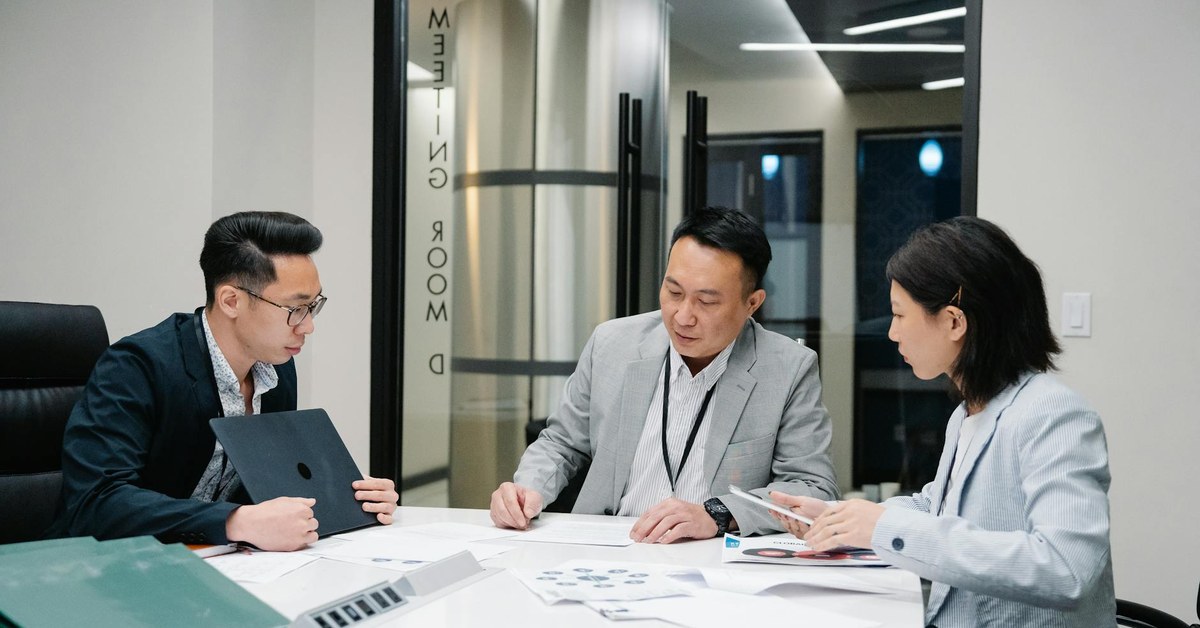

The pervasive inefficiency within meeting culture in construction businesses represents a significant drain on capital, productivity, and leadership bandwidth, often overlooked as an unavoidable cost of doing business. Industry leaders frequently underestimate the cumulative financial implications of poorly structured or unnecessary gatherings, which detract from critical project execution, strategic planning, and innovation across global markets. Addressing the prevalent challenges in meeting culture in construction businesses is not merely a matter of personal productivity, it is a strategic imperative for financial performance and competitive advantage.
The Pervasive Challenge of Meeting Culture in Construction Businesses
The construction sector, characterised by its project-driven nature, complex supply chains, and demanding operational environments, is particularly susceptible to the erosion of efficiency caused by an unproductive meeting culture. While meetings are essential for coordination, decision-making, and risk management, many organisations find themselves caught in a cycle of excessive or poorly managed gatherings. Research consistently highlights that a significant portion of meeting time is perceived as wasted. For instance, a study by Atlassian indicated that employees in the United States spend approximately 31 hours per month in unproductive meetings, translating to an estimated annual cost of $37 billion (£29 billion) for US businesses alone. This figure does not account for the opportunity cost of time diverted from core tasks.
Across the Atlantic, European businesses face similar challenges. A survey of UK professionals revealed that 65% consider meetings to be a barrier to completing their own work, with 50% believing that meetings are often a waste of time. In Germany, a major economic powerhouse within the EU, surveys have shown that executives spend upwards of 17 hours per week in meetings, with a substantial portion of this time considered inefficient. The cumulative effect of this global trend is staggering. When extrapolated across the entire construction industry, a sector known for its tight margins and critical deadlines, the financial and operational impact of a suboptimal meeting culture becomes a compelling strategic concern.
The issue is not simply the number of meetings, but their quality and purpose. Many meetings lack clear agendas, defined objectives, or a mechanism for accountability. Participants often attend without adequate preparation, leading to discussions that meander and fail to reach conclusive outcomes. This problem is exacerbated in construction where meetings frequently involve diverse stakeholders from multiple disciplines, including architects, engineers, subcontractors, clients, and regulatory bodies. Each group brings its own priorities and perspectives, which, if not managed effectively, can prolong discussions and delay critical decisions.
Moreover, the advent of remote and hybrid working models, accelerated by recent global events, has added another layer of complexity. While digital meeting platforms offer flexibility, they can also contribute to "meeting fatigue" and blurred boundaries between work and personal time. A study by Microsoft found that the average meeting length increased by 10% during the pandemic, with the number of meetings increasing by 150%. This intensification of meeting schedules, often without corresponding improvements in meeting efficacy, places immense pressure on leadership teams and project managers within construction businesses, diverting their attention from strategic oversight and direct project engagement.
Beyond the Boardroom: Unique Pressures on Construction Meeting Dynamics
The construction sector operates under distinct conditions that amplify the challenges of meeting culture beyond what is seen in many other industries. These conditions necessitate a specific understanding of how and why time is often wasted in this environment.
Firstly, the project-based nature of construction means that teams are constantly forming, disbanding, and reforming for new projects. This fluidity often leads to a lack of established meeting protocols or a consistent meeting rhythm. Each new project may inherit or develop its own ad hoc meeting structure, which can be inefficient. Project kick-off meetings, site progress meetings, design review meetings, client update meetings, and safety briefings are all critical, yet their sheer volume and often overlapping attendance can create a logistical nightmare.
Secondly, multi-stakeholder involvement is a defining characteristic. A single construction project can involve dozens of entities, each with contractual obligations, specific expertise, and sometimes conflicting priorities. Coordinating these diverse groups requires extensive communication, often channelled through numerous meetings. These meetings are frequently complex, requiring detailed technical discussions, contractual clarifications, and conflict resolution. When these gatherings are not meticulously planned and support, they can quickly degenerate into unproductive debates, leading to stalemates that delay progress and escalate costs. For example, a minor design change discussed in an unmanaged meeting can ripple through the project schedule, costing thousands of pounds or dollars in rework and extended timelines.
Thirdly, regulatory demands and safety protocols impose mandatory meeting requirements. Safety briefings, toolbox talks, and compliance reviews are non-negotiable elements of construction projects. While essential for worker well-being and legal adherence, the execution of these meetings can still be optimised. If these mandatory sessions are treated as mere formalities rather than active engagements, they consume time without delivering their full preventative value, potentially leading to incidents that cause even greater delays and financial penalties.
Fourthly, the geographical dispersion of teams and project sites presents unique logistical challenges. Construction projects often span vast areas, with site managers, architects, engineers, and head office personnel located in different physical spaces. Travel to central meeting locations consumes significant time and resources. While digital conferencing has mitigated some of this, it has also led to an increase in the frequency of virtual meetings, sometimes without a corresponding increase in their efficacy. The lack of direct physical presence can also hinder the nuanced communication often required for complex problem-solving on a construction site.
Finally, the inherent complexity and risk associated with construction projects mean that meetings are often convened reactively to address emergent issues or unforeseen problems. While rapid response is sometimes necessary, a culture of constant reactive meetings can indicate a lack of proactive planning or inadequate risk management processes. These 'firefighting' meetings, though seemingly urgent, often consume leadership time that could be better spent on strategic foresight or preventative measures. Research by KPMG on construction mega-projects indicates that only 25% of projects come within 10% of their original deadlines, with poor communication and decision-making being significant contributing factors. This directly correlates with an inefficient meeting culture that fails to address issues proactively or resolve them decisively.
The Hidden Drain: Quantifying the Financial and Operational Impact
The costs associated with an unproductive meeting culture in construction businesses extend far beyond the direct expenditure of salaries for attendees. These hidden costs permeate every aspect of project delivery and organisational performance, creating a significant drag on profitability and competitive standing.
One of the most direct financial drains is the sheer cost of wasted time. Consider a typical project meeting involving ten key personnel, each earning an average of £50 per hour ($65). If a two-hour meeting is deemed 50% unproductive, the direct cost of wasted time for that single meeting is £500 ($650). When multiplied across hundreds of meetings over the lifespan of a multi-year project, involving potentially dozens of projects concurrently, these figures quickly escalate into millions. A study by the Harvard Business Review estimated that senior executives spend an average of 23 hours per week in meetings, with 71% of these meetings considered unproductive. For a construction firm with 50 senior executives, this translates to thousands of hours of wasted, highly compensated time each week.
Beyond direct salary costs, there is the substantial opportunity cost. Time spent in unproductive meetings is time not spent on critical tasks such as project planning, risk assessment, client relationship management, innovation, or direct site supervision. This diversion of high-value time can lead to delays in project milestones, missed opportunities for cost savings, and a reduction in the quality of strategic decision-making. For example, if a project manager spends excessive time in internal updates that could have been handled asynchronously, they may miss critical early warning signs on site, leading to expensive rework or safety breaches later. The cumulative effect on project profitability can be substantial. Data from the European construction market often highlights that project cost overruns are common, with many attributing a portion of these to communication breakdowns and delayed decision cycles, both symptoms of a poor meeting culture.
The impact on decision-making quality is another critical factor. Meetings that lack clear objectives, proper preparation, or effective facilitation often fail to produce definitive outcomes. This can lead to decisions being postponed, revisited, or made without full information, increasing project risk. In construction, where decisions often have significant financial and safety implications, this can be catastrophic. A delayed decision on material procurement, for instance, can lead to supply chain disruptions, idle labour, and penalties for late delivery. The US construction industry, for example, frequently grapples with productivity challenges, and inefficient decision-making processes, often rooted in ineffective meetings, are cited as a key contributor to these issues, according to reports from bodies like the Associated General Contractors of America.
Furthermore, an ineffective meeting culture adversely affects employee morale and engagement. Constant attendance at unproductive meetings can lead to frustration, disengagement, and burnout. Employees perceive their time as undervalued, which can diminish their commitment to the organisation and even contribute to higher attrition rates. High-performing individuals, particularly those in leadership roles, are often the most affected, as their schedules become overbooked with low-value interactions. This can lead to a decline in their ability to focus on high-impact work, reducing overall organisational output. A recent survey across several EU nations indicated that dissatisfaction with meeting effectiveness was a significant factor in professional burnout, highlighting a direct link between meeting culture and workforce well-being and retention.
Finally, the operational inefficiencies created by a poor meeting culture can directly impact project timelines and contractual obligations. Delays caused by prolonged decision-making or inefficient information flow through meetings can result in liquidated damages, strained client relationships, and a damaged reputation. In a competitive market, a reputation for consistent project delays, even if indirectly caused by internal inefficiencies, can severely limit future business opportunities. The UK construction industry, for example, faces intense pressure to deliver projects on time and within budget, and any internal drag on efficiency, such as a suboptimal meeting culture, directly threatens a firm's ability to meet these critical performance indicators.
What Senior Leaders Get Wrong
Many senior leaders in construction businesses recognise that their meeting culture is problematic, yet they frequently misdiagnose the underlying issues or apply superficial remedies. This often stems from a fundamental misunderstanding of meeting effectiveness as a strategic component of operational excellence, rather than a mere administrative detail.
One common mistake is focusing on symptoms rather than root causes. Leaders might implement policies like "no meeting Fridays" or impose strict time limits, believing these measures will solve the problem. While such tactics can offer temporary relief, they fail to address the deeper issues: a lack of clarity regarding meeting purpose, insufficient preparation, an absence of accountability for outcomes, or a cultural norm that equates meeting attendance with productivity. For instance, simply shortening a meeting without a clear agenda or designated decision-maker often means the discussion is merely cut short, not made more efficient, leading to follow-up meetings or unresolved issues.
Another prevalent error is the failure to define clear objectives and desired outcomes for each meeting. Many meetings are convened out of habit or a vague sense of needing to "touch base," rather than to achieve a specific, measurable result. Without a clear purpose, discussions invariably drift, participants become disengaged, and the meeting concludes without actionable decisions. In construction, where project phases require distinct types of information exchange and decision points, a lack of clarity can lead to confusion about who is responsible for what, creating bottlenecks that impede progress.
Leaders also often underestimate the importance of pre-meeting preparation and post-meeting follow-up. Effective meetings are not standalone events; they are part of a continuous communication cycle. This means ensuring that relevant information is distributed in advance, allowing participants to review and formulate their contributions. It also means clearly documenting decisions, assigning actions, and establishing timelines for completion after the meeting. Many construction organisations excel at documentation for contractual purposes, but often fall short on internal meeting documentation that drives accountability and ensures continuity. Without this discipline, decisions made in meetings can be forgotten or re-debated, wasting valuable time and eroding trust.
A significant blind spot is the misuse or underuse of technology. While digital tools for virtual meetings are widely adopted, many organisations fail to optimise their use for efficiency. This includes not only the technical aspects, such as ensuring stable connections and adequate equipment, but also the strategic aspects, such as using collaborative documents in real-time, utilising breakout rooms effectively, or employing polling functions to gather quick consensus. Furthermore, leaders often overlook the potential of asynchronous communication tools for updates that do not require real-time discussion. Project management platforms, shared documentation systems, and internal communication channels can often convey information more efficiently than a scheduled meeting, freeing up valuable synchronous time for complex problem-solving.
Finally, there is a pervasive cultural inertia. Changing an entrenched meeting culture requires more than just new rules; it demands a shift in mindset and behaviour from the top down. If senior leaders themselves continue to schedule unnecessary meetings, arrive unprepared, or allow discussions to stray, they inadvertently reinforce the very behaviours they wish to change. Demonstrating effective meeting practices, empowering team members to challenge unproductive meetings, and celebrating efficient communication are critical. Without this leadership commitment to cultural transformation, any new policies around meetings will likely be perceived as temporary mandates rather than fundamental shifts in operational philosophy.
Reclaiming Strategic Time: Transforming Meeting Culture as a Competitive Advantage
Transforming the meeting culture within construction businesses is not merely an exercise in internal process improvement; it is a strategic imperative that directly impacts a firm's competitive position, profitability, and capacity for innovation. When time is reclaimed from inefficient meetings, it can be reallocated to activities that drive tangible business value.
Firstly, a streamlined meeting culture enhances strategic focus. Leaders, no longer bogged down by an excessive number of low-value meetings, can dedicate more time to long-term planning, market analysis, talent development, and client engagement. This enables them to identify emerging opportunities, anticipate market shifts, and position the company for sustainable growth. For example, instead of hours spent in internal status updates, a CEO could be exploring new modular construction technologies or assessing potential strategic partnerships, directly contributing to future revenue streams.
Secondly, improved meeting efficiency directly correlates with enhanced project delivery and financial performance. When meetings are purposeful, concise, and outcome-oriented, decisions are made faster and more effectively. This reduces delays, minimises rework, and keeps projects on schedule and within budget. Consider a large-scale infrastructure project; even marginal improvements in decision-making speed can save millions of pounds or dollars in reduced labour costs, avoided penalties, and optimised resource allocation. A report by McKinsey & Company highlighted that productivity improvements in construction are crucial for unlocking significant economic value, and optimising communication, including meetings, is a core component of this. Firms that excel in this area gain a reputation for reliability and efficiency, attracting more lucrative projects and strengthening client relationships.
Thirdly, a deliberate approach to meeting culture encourage a more engaged and productive workforce. When employees perceive their time as respected and their contributions as valued, morale improves. Empowering teams to manage their own meeting schedules, providing training on effective meeting facilitation, and encouraging the use of asynchronous communication for routine updates can significantly boost autonomy and job satisfaction. This, in turn, reduces burnout, enhances retention of critical talent, and creates an environment where individuals can focus on their highest-impact work. In an industry facing persistent skill shortages, particularly in highly specialised roles, retaining top talent through a more efficient and respectful work environment is a significant competitive differentiator.
Fourthly, a well-managed meeting culture supports innovation. Time freed from unproductive discussions can be redirected towards research and development, continuous improvement initiatives, or creative problem-solving. Innovation in construction, whether in sustainable building practices, advanced materials, or digital project management, requires dedicated time for exploration and collaboration. If leadership teams and technical experts are constantly in meetings, their capacity to think creatively and develop novel solutions is severely constrained. Firms that proactively manage their meeting structures create space for this critical innovative work, positioning themselves at the forefront of industry advancements.
Finally, optimising meeting culture strengthens risk management. Effective meetings ensure that critical information is shared, risks are identified and assessed proactively, and mitigation strategies are developed collaboratively. This reduces the likelihood of costly errors, safety incidents, and contractual disputes. In an industry where risk exposure is high, a culture that prioritises clear, concise, and accountable communication through its meeting protocols is inherently more resilient. This strategic approach to meetings transforms them from a necessary evil into a powerful tool for operational excellence, allowing construction businesses to not only meet but exceed their project objectives and secure a lasting competitive advantage.
Key Takeaway
Inefficient meeting culture in construction businesses represents a significant, often underestimated, strategic drain on capital, productivity, and leadership capacity. Unique industry factors, such as project complexity, multi-stakeholder involvement, and regulatory demands, exacerbate this problem, leading to millions in wasted salaries and lost opportunities. Addressing this requires a shift from superficial fixes to a fundamental re-evaluation of meeting purpose, preparation, and accountability, ultimately transforming meeting practices into a source of competitive advantage and enhanced project delivery.