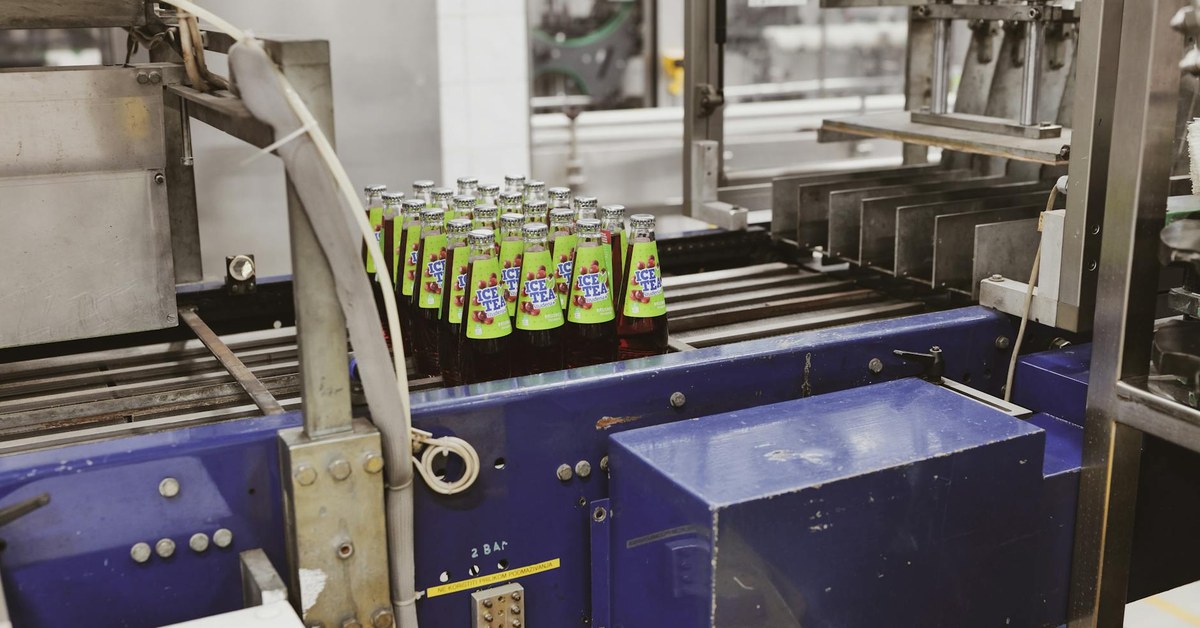

Selecting an effective efficiency consultant for manufacturing operations is not merely an exercise in cost reduction; it is a strategic investment that fundamentally reshapes a company's competitive posture, market responsiveness, and long-term profitability by optimising complex production ecosystems. The true value lies in identifying a partner whose deep industry insight, data-driven methodologies, and proven change management capabilities can translate into measurable, sustainable operational excellence, rather than offering superficial process adjustments. A carefully chosen efficiency consultant for manufacturing can be the catalyst for unlocking latent value, transforming challenges into opportunities for growth and resilience.
The Pressures on Modern Manufacturing Operations
The global manufacturing sector operates under relentless pressure, a confluence of macroeconomic shifts, technological advancements, and evolving consumer demands. Leaders in this space contend with rising input costs, geopolitical instability impacting supply chains, and an increasingly competitive environment. According to PwC's 2024 Global Manufacturing Outlook, 70% of manufacturers cite supply chain disruptions as a significant concern, while 65% are worried about increasing operational costs. These figures underscore a pervasive need for operational resilience and cost control that transcends traditional approaches.
In the United States, manufacturing productivity growth, while strong in certain segments, faces headwinds from labour shortages and the demands of digital transformation. The U.S. Bureau of Labor Statistics reported a 0.2% decline in manufacturing productivity in 2023, following a 1.2% increase in 2022. This fluctuation highlights the difficulty in sustaining efficiency gains without targeted interventions. The average manufacturing output in the US, valued at over $2.9 trillion (£2.3 trillion) annually, demonstrates the immense scale where even marginal improvements can yield substantial financial returns.
Across the Atlantic, European manufacturers grapple with stringent environmental regulations and high energy costs, alongside the imperative to remain globally competitive. Eurostat data indicates that industrial production in the EU declined by 2.0% in 2023, reflecting a challenging economic environment. The Confederation of British Industry (CBI) has consistently reported that UK manufacturers are concerned about energy prices and skills shortages, which directly impede production efficiency. A 2023 survey by Make UK, the manufacturers' organisation, found that 93% of UK manufacturers faced increased energy costs, with 50% reporting increases of more than 50%. Such pressures necessitate a sophisticated approach to efficiency that goes beyond simple cost cutting, requiring a deep understanding of unique regional and sectoral nuances.
Beyond these immediate pressures, the manufacturing industry is undergoing a fundamental shift from mass production towards more agile, customised, and sustainable models. This model demands greater flexibility, shorter lead times, and an ability to respond rapidly to market changes. The World Economic Forum estimates that advanced manufacturing technologies could unlock $3.7 trillion (£2.9 trillion) in value across industries by 2025. However, unlocking this value requires not just technology adoption, but also a complete re-evaluation and optimisation of underlying processes and organisational structures. This is precisely where the strategic guidance of an expert efficiency consultant for manufacturing becomes indispensable.
Beyond Cost Cutting: The Strategic Imperative of Operational Efficiency
Operational efficiency in manufacturing is frequently misconstrued as a purely tactical exercise focused solely on reducing expenditure. While cost reduction is an undeniable outcome, viewing efficiency through this narrow lens overlooks its profound strategic implications. True operational efficiency is a powerful driver of competitive advantage, market differentiation, and long-term organisational resilience. It allows companies to do more with less, not just in terms of money, but also time, resources, and environmental impact.
Consider the link between operational excellence and market share. Companies that consistently deliver products faster, with higher quality, and at a competitive price point inherently gain an advantage. Research by McKinsey & Company indicates that top-quartile performers in operational efficiency achieve 2.5 times higher shareholder returns than bottom-quartile companies over a five-year period. This correlation is not coincidental; superior operational efficiency translates directly into enhanced profitability, which can then be reinvested into research and development, market expansion, or talent acquisition, further solidifying a company's competitive standing.
Moreover, operational efficiency directly influences a manufacturer's capacity for innovation. When production processes are streamlined and waste is minimised, resources previously consumed by inefficiencies become available. This newfound capacity can be redirected towards developing new products, exploring new materials, or experimenting with advanced manufacturing techniques. A 2022 study published in the Journal of Operations Management found a significant positive relationship between lean manufacturing practices and product innovation, demonstrating that efficient operations provide the stable foundation upon which innovation can flourish. Manufacturers are not simply producing; they are innovating, and efficiency underpins this critical function.
The hidden costs of inefficiency extend far beyond direct financial losses. They manifest as lost opportunities, diminished employee morale, and a compromised reputation. Excessive lead times can result in missed market windows, allowing competitors to capture customer segments. Rework and quality issues erode customer trust and necessitate costly warranty claims or product recalls. The U.S. National Institute of Standards and Technology (NIST) estimates that poor quality costs the US economy hundreds of billions of dollars annually, with a significant portion attributable to manufacturing defects and process failures. Furthermore, a chaotic or inefficient work environment can lead to increased employee turnover, adding recruitment and training costs, and diminishing institutional knowledge.
In times of economic uncertainty or supply chain disruption, operationally efficient manufacturers exhibit greater resilience. Their streamlined processes, optimised inventory levels, and agile production capabilities enable them to adapt more swiftly to unforeseen challenges. The COVID-19 pandemic starkly illustrated this, as companies with strong, efficient supply chains and flexible manufacturing processes were better positioned to weather the storm and even capitalise on shifting demands. This strategic aspect of efficiency is increasingly recognised as a core component of enterprise risk management, making the engagement of an expert efficiency consultant for manufacturing a proactive measure against future volatility.
Common Misconceptions in Engaging an Efficiency Consultant for Manufacturing
Many senior leaders, despite acknowledging the importance of operational efficiency, often approach the engagement of an external consultant with certain misconceptions that can undermine the potential for transformative change. These missteps frequently result in suboptimal outcomes, wasted resources, and a reluctance to seek expert guidance in the future. Understanding these common pitfalls is the first step towards a more successful and impactful partnership with an efficiency consultant for manufacturing.
One prevalent misconception is the belief that efficiency can be achieved solely through technology adoption. While advanced manufacturing technologies, such as automation, robotics, and artificial intelligence, offer immense potential for improvement, they are not a panacea. Implementing new machinery without first optimising the underlying processes often results in automating inefficiency, rather than creating genuine efficiency. A 2023 report by Deloitte highlighted that companies investing in Industry 4.0 technologies without addressing process flaws often fail to achieve their desired return on investment. The human element, including skills, training, and cultural acceptance, is equally critical. A consultant who merely recommends software or machinery without a comprehensive process and people strategy will deliver limited, short-lived improvements.
Another common error is underestimating the human element in change management. Operational changes, no matter how technically sound, will falter if employees are not engaged, trained, and brought along on the journey. Resistance to change, fear of job displacement, or simply a lack of understanding can derail even the most meticulously planned efficiency initiatives. A study by Prosci, a change management research firm, found that projects with excellent change management are six times more likely to meet their objectives than those with poor change management. Many leaders expect consultants to deliver a blueprint, but neglect the crucial work of embedding new practices and encourage a culture of continuous improvement. An effective efficiency consultant understands that people are at the heart of any operational transformation.
Furthermore, some leaders expect quick fixes and immediate, dramatic results without investing in deep analysis or long-term implementation. While certain superficial inefficiencies can be addressed swiftly, truly sustainable efficiency requires a thorough diagnostic phase, often spanning weeks or months, to uncover root causes and develop tailored solutions. The pursuit of instant gratification often leads to superficial adjustments that do not address systemic issues, resulting in a rebound to old habits once the consultant departs. Genuine transformation is a journey, not a destination, and requires patience, commitment, and sustained effort from both the client and the consulting partner.
Failing to define clear, measurable objectives is another significant pitfall. Without specific, quantifiable goals, it becomes impossible to assess the consultant's impact or determine the project's success. Vague objectives such as "improve efficiency" or "reduce costs" are insufficient. Instead, targets should be precise: "reduce manufacturing lead time by 15% within 12 months," or "decrease raw material waste by 10% in a specific production line." Clear objectives provide a roadmap for the consultant and a benchmark for the client, ensuring alignment and accountability. Without this clarity, a consultant may deliver a technically sound solution that does not meet the organisation's actual strategic needs.
Finally, choosing consultants primarily based on price rather than strategic fit, proven impact, and deep expertise is a frequent mistake. While budget considerations are always relevant, opting for the lowest bid without thorough vetting can prove to be a false economy. Inexperienced or generalist consultants may lack the specific manufacturing domain knowledge required to identify nuanced problems or implement effective solutions. The cost of a poorly executed efficiency project, including lost production, employee disillusionment, and the need for subsequent re-engagement, far outweighs the initial savings on consulting fees. The true value of an efficiency consultant for manufacturing lies in their ability to generate a significant return on investment, not in their hourly rate.
Internal teams, despite their intimate knowledge of the organisation, often struggle with these transformations due to inherent biases, lack of specialised methodologies, or the absence of an objective, external perspective. They may be too close to the problems to see systemic issues, or they may lack the political capital to drive significant cross-departmental change. This is precisely why external expertise, free from internal politics and predispositions, can be invaluable in manufacturing efficiency initiatives.
Defining Excellence: Key Attributes of an Expert Efficiency Consultant for Manufacturing
The selection of an efficiency consultant for manufacturing is a critical strategic decision that demands careful consideration of specific attributes beyond general business acumen. An expert partner possesses a unique blend of industry-specific knowledge, methodological rigor, and an understanding of organisational dynamics that together drive sustainable, measurable improvements. Identifying these qualities is paramount for manufacturing leaders seeking genuine transformation rather than temporary fixes.
Deep Sectoral Expertise
Perhaps the most vital attribute is deep sectoral expertise. A consultant must possess more than a general understanding of operations; they require specific, nuanced knowledge of manufacturing processes, materials science, supply chain intricacies, regulatory environments, and market dynamics within the manufacturing sector. This includes familiarity with discrete manufacturing, process manufacturing, batch production, and the specific challenges associated with each. A consultant advising an automotive manufacturer, for instance, should understand Just In Time (JIT) principles, complex assembly lines, and global sourcing networks, which differ significantly from the considerations for a pharmaceutical manufacturer adhering to Good Manufacturing Practices (GMP) and stringent validation requirements. Without this specific insight, recommendations may be generic, impractical, or even detrimental to the unique operational context.
Data-Driven Methodology and Analytical Rigor
An expert efficiency consultant for manufacturing does not rely on intuition or anecdotal evidence. Their approach is founded upon rigorous data analysis and established methodologies. This involves applying principles from Lean Manufacturing, Six Sigma, Theory of Constraints, and other proven operational excellence frameworks. They should be proficient in collecting, analysing, and interpreting operational data, including production metrics, waste rates, cycle times, inventory turns, and quality control statistics. This analytical capability allows them to identify root causes of inefficiency, model potential improvements, and forecast the impact of proposed changes with precision. For example, using statistical process control (SPC) to identify variations in production, or value stream mapping to visualise and eliminate non-value-added steps. The ability to present data-backed insights and projected returns on investment is a hallmark of a truly impactful consultant.
Proficiency in Change Management and Organisational Development
Technical solutions, however brilliant, are ineffective without successful implementation and sustained adoption by the workforce. Therefore, an expert efficiency consultant must demonstrate strong proficiency in change management and organisational development. This encompasses the ability to engage stakeholders at all levels, from shop floor operators to senior executives, building consensus and securing buy-in for new processes and systems. They should possess skills in communication, training, and leadership development, ensuring that new practices are not just introduced, but embedded within the organisational culture. This includes anticipating resistance, addressing concerns, and empowering employees to become champions of change. Without this human-centric approach, even the most technically sound recommendations risk failure, as operational shifts often require significant behavioural adjustments.
Long-Term Vision and Focus on Sustainability
The goal of an efficiency engagement should extend beyond immediate problem-solving to encourage a culture of continuous improvement. A truly valuable efficiency consultant for manufacturing will not merely deliver a project and depart; they will work to build internal capabilities, transfer knowledge, and establish mechanisms for ongoing optimisation. This involves training internal teams in lean principles, setting up performance monitoring systems, and helping to establish internal centres of excellence. Their recommendations should be designed for sustainability, ensuring that the gains achieved during the engagement persist and evolve over time, rather than fading once external support is withdrawn. This long-term perspective distinguishes a strategic partner from a tactical resource.
Measurable Impact and Return on Investment (ROI) Focus
Ultimately, the value of an efficiency consultant is measured by the tangible improvements they deliver. A reputable consultant will articulate clear, measurable objectives at the outset of the engagement and commit to demonstrating a quantifiable return on the client's investment. This involves defining key performance indicators (KPIs) such as cost reductions, increased throughput, reduced lead times, improved quality metrics, or enhanced equipment effectiveness. They should be prepared to provide a strong framework for tracking these metrics throughout the project and beyond, offering transparent reporting on progress and financial impact. The focus is not simply on implementing changes, but on verifying that those changes yield a significant, positive economic outcome for the manufacturing operation.
Cultural Fit and Effective Communication
While often overlooked, cultural fit and communication skills are crucial for a successful consulting engagement. The consultant will be an external entity operating within the client's organisation, interacting with diverse teams and individuals. Their ability to integrate smoothly, build rapport, and communicate complex ideas clearly and persuasively across all levels of the organisation is vital. This includes active listening, empathy, and the capacity to adapt their communication style to different audiences. A consultant who understands the nuances of the company's culture can tailor their approach to be more effective, encourage collaboration rather than resistance. A poor cultural fit, conversely, can create friction and hinder progress, regardless of the consultant's technical prowess.
Objectivity and Independence
An external efficiency consultant brings a crucial element of objectivity and independence that internal teams often cannot provide. They are unencumbered by internal politics, historical biases, or pre-existing assumptions, allowing them to assess operations with a fresh perspective. This impartiality enables them to identify uncomfortable truths, challenge entrenched practices, and propose solutions that might be difficult for internal stakeholders to advocate. This independent viewpoint is one of the primary reasons to engage an external expert, ensuring that recommendations are based purely on data and best practices, free from internal pressures or agendas.
Integrating Efficiency into the Organisational DNA
The true measure of a successful engagement with an efficiency consultant for manufacturing is not merely the completion of a project or the implementation of a new system; it is the extent to which efficiency becomes an ingrained part of the organisational DNA. This transformation moves beyond episodic improvements to a culture where continuous optimisation is a shared responsibility and an ongoing pursuit. An expert consultant understands this deeper imperative and structures their engagement to support this enduring change.
A significant aspect of integrating efficiency is the establishment of strong internal capabilities. This involves more than just training employees on new processes; it means empowering them with the methodologies and mindset to identify and resolve inefficiencies autonomously. A consultant should act as a mentor and facilitator, guiding the organisation to develop its own problem-solving muscles. This might include setting up internal Lean or Six Sigma academies, creating cross-functional improvement teams, or establishing dedicated roles for process excellence. By transferring knowledge and encourage internal expertise, the organisation reduces its long-term reliance on external support, making efficiency a self-sustaining endeavour. For instance, a European automotive components manufacturer, after an initial engagement, worked with its consultant to train 15% of its workforce in Lean methodologies, leading to a 7% year-on-year reduction in operational waste, sustained over five years.
Leadership plays an indispensable role in sustaining these gains. Efficiency initiatives cannot thrive without visible and consistent support from senior management. Leaders must champion the new culture, allocate necessary resources, and communicate the strategic importance of continuous improvement. They must also model the desired behaviours, demonstrating a commitment to data-driven decision-making and a willingness to challenge the status quo. A consultant can assist leaders in developing these capabilities, providing guidance on how to effectively communicate the vision, measure progress, and celebrate successes to reinforce positive behaviours. For example, a US-based food processing plant saw a 12% increase in line efficiency when its leadership team actively participated in daily stand-up meetings focused on operational metrics, a practice introduced by their efficiency consultant.
Moreover, embedding efficiency into the organisational DNA involves integrating it into formal systems and processes. This includes incorporating efficiency metrics into performance reviews, linking incentives to operational improvements, and making process documentation a living, evolving resource. It also means establishing regular review cycles and audit mechanisms to ensure adherence to new standards and to identify new areas for improvement. This institutionalisation ensures that efficiency is not perceived as a temporary project, but as an integral component of daily operations and strategic planning. A UK aerospace manufacturer, after working with a consultant, revised its annual planning cycle to include specific operational efficiency targets for each department, resulting in a 5% reduction in production cycle time across its product lines within two years.
Ultimately, an expert efficiency consultant for manufacturing helps an organisation transition from a reactive posture, where efficiency is sought only when problems arise, to a proactive stance, where continuous improvement is a core value and a competitive differentiator. This shift empowers the organisation to not only respond to current pressures but also to anticipate future challenges and adapt with agility, securing its position in an increasingly demanding global market.
Key Takeaway
Selecting an efficiency consultant for manufacturing is a strategic decision requiring meticulous evaluation beyond basic cost considerations. The ideal partner offers deep sectoral expertise, employs rigorous data-driven methodologies, and possesses strong change management capabilities to ensure sustainable operational excellence. Their value is in delivering measurable, long-term improvements that enhance competitive posture, encourage innovation, and embed a culture of continuous optimisation within the organisation.