
The debate between coworking spaces and home offices has been framed, almost universally, as a lifestyle choice. Do you prefer the buzz of a shared environment or the quiet of your spare bedroom? Do you like the social energy of communal desks or the control of your own thermostat? These are the wrong questions. For any professional or team serious about time management, the workspace decision is an operational one with measurable consequences for how many productive hours you extract from each working day. And the data tells a far more nuanced story than either camp admits.
Neither coworking spaces nor home offices are universally superior for productivity. Research shows that ergonomic home workstations improve output by seventeen per cent, whilst remote workers save seventy-two minutes daily from eliminated commuting. However, coworking environments offer structured collaboration opportunities that reduce isolation—a factor affecting twenty per cent of remote workers and cutting productivity by fifteen per cent. The optimal choice depends on role type, collaboration frequency, and whether your home setup meets professional standards.
The Commute Equation: Seventy-Two Minutes You Cannot Ignore
Every analysis of workspace efficiency must begin with the commute, because it is the single largest time variable in the equation. Global Workplace Analytics data confirms that remote workers save an average of seventy-two minutes per day by eliminating the journey to a workplace. Over a five-day working week, that is six hours reclaimed. Over a year, it approaches three hundred hours—the equivalent of nearly eight full working weeks returned to the individual. No productivity tool, no workflow optimisation, no management framework delivers a comparable return.
Coworking spaces reintroduce a commute, albeit typically a shorter one than the traditional office journey. Most urban coworking members report a commute of fifteen to twenty-five minutes, which reduces the daily saving to approximately thirty to forty minutes compared to a centralised corporate office. This is still meaningful, but it fundamentally changes the arithmetic. A professional choosing between a well-equipped home office and a coworking space twenty minutes away is not choosing between a commute and no commute; they are choosing between seventy-two minutes saved and approximately forty minutes saved. The question becomes whether the remaining thirty-two minutes are worth what the coworking environment provides in return.
For teams losing hours searching for files and information, the commute calculation carries an additional dimension. Those seventy-two minutes are not merely time saved—they are time that can be redirected toward the deep, focused work that information-heavy roles demand. A knowledge worker who spends their first hour excavating yesterday’s decisions from fragmented communication channels benefits enormously from reclaiming commute time as a buffer for exactly this kind of administrative overhead.
Home Office Productivity: The Setup Quality Variable
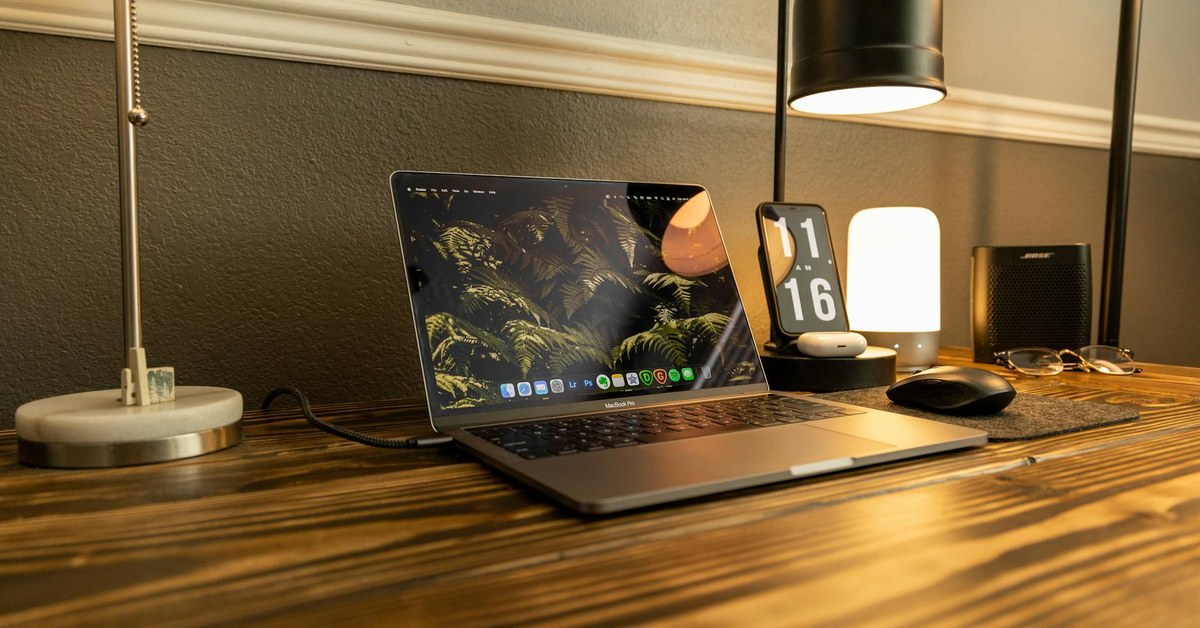
The home office advantage is real, but it is conditional. Stanford’s widely cited research demonstrates that remote workers are thirteen per cent more productive than their office counterparts—but this figure assumes a functional, distraction-managed workspace. The uncomfortable truth that home office advocates rarely acknowledge is that setup quality varies enormously, and the variance directly impacts output. Research confirms that ergonomic workstations improve productivity by seventeen per cent, which means the difference between a professionally configured home office and a laptop on the kitchen table is not marginal—it is transformative.
UK data from the ONS shows that forty-four per cent of workers now have hybrid or remote arrangements, yet surveys consistently reveal that fewer than half of home workers have a dedicated workspace with a proper desk, external monitor, and ergonomic seating. The remainder are working from sofas, dining tables, and bedroom corners—environments that impose a postural and cognitive tax that accumulates over months. When we advise executive teams on remote work strategy, the home office stipend is not a perk; it is an infrastructure investment with a measurable return on productive hours.
The home environment also introduces interruption patterns that differ fundamentally from office or coworking interruptions. Domestic disruptions—deliveries, family members, household tasks that catch the eye—tend to be shorter but more frequent than workplace interruptions, creating a fragmentation effect that is particularly damaging for roles requiring sustained concentration. Remote workers work an average of 1.4 more days per month than office-based peers, but a portion of that additional time compensates for the fragmentation rather than representing genuine additional output.
The Coworking Collaboration Dividend
Coworking spaces offer something that no home office can replicate: ambient professional energy and unplanned interaction. For professionals whose roles involve frequent collaboration, creative problem-solving, or client-facing work, the social infrastructure of a coworking environment provides a measurable productivity dividend that partially offsets the reintroduced commute time. The key word is partially—and quantifying the offset requires honest assessment rather than anecdotal enthusiasm.
The isolation data makes the strongest case for coworking. Buffer’s research shows that loneliness affects twenty per cent of remote workers and reduces their productivity by fifteen per cent. For a remote professional earning the UK median salary, that fifteen per cent productivity reduction represents a significant output loss that far exceeds the cost of a coworking membership. Gallup’s 2024 findings reinforce this: hybrid workers report twenty-two per cent higher job satisfaction and twelve per cent lower burnout than their fully remote peers, suggesting that some external workplace interaction provides a genuine performance benefit.
However, coworking spaces also introduce their own collaboration tax. Open-plan shared environments generate interruptions from neighbouring conversations, impromptu social interactions, and the ambient noise of communal areas. Communication overhead can increase by twenty to forty per cent when coworking interactions lack structured protocols, mirroring the same problem that plagues unstructured remote teams. The coworking dividend is real, but it is not free—and professionals who choose coworking without managing its interruption patterns may find they have merely traded one form of fragmentation for another.
Video Fatigue, Meeting Load, and Location Strategy
One of the most underappreciated factors in the workspace comparison is how location affects meeting behaviour. Home-based remote workers tend to default to video for all interactions, which accelerates the onset of video call fatigue. Stanford’s research found that forty-nine per cent of workers experience this fatigue, reducing afternoon productivity by thirteen per cent. A professional who attends four video meetings before midday from their home office is not merely spending four hours in meetings—they are systematically degrading their cognitive capacity for the remainder of the day.
Coworking environments can mitigate this effect by enabling some interactions to happen in person, reducing the total video meeting load. Distributed teams that overlap at least four working hours perform thirty per cent better than fully asynchronous ones, and coworking spaces in the same city can facilitate this overlap through co-located working days. The most sophisticated organisations we advise use coworking spaces strategically—not as permanent desks but as collaboration hubs for the three to four structured touchpoints per week that high-performing remote teams require.
Asynchronous communication provides the bridge regardless of workspace choice. Teams that adopt async-first protocols—defaulting to written, documented communication and reserving live interaction for genuinely complex discussions—reduce their meeting load by thirty-three per cent. This reduction benefits both home and coworking professionals equally, but the implementation looks different in each setting. Home workers replace video calls with written updates. Coworking professionals replace scheduled video calls with brief in-person conversations that resolve issues in minutes rather than calendar-blocked half-hours.
The Trust Architecture: Output Over Presence
The workspace debate frequently obscures a more fundamental management question: are you measuring presence or output? The Chartered Management Institute found that trust in remote teams increases by twenty-five per cent when managers focus on deliverables rather than hours logged. This finding applies equally whether the team member works from a home office or a coworking space—but it has different operational implications in each setting.
Home office workers in organisations that still emphasise presence metrics face a particular burden. They over-communicate to signal availability, generating the very collaboration overhead that erodes their productivity advantage. They attend meetings they do not need to attend, respond to messages outside working hours to demonstrate commitment, and produce status updates that serve no operational purpose beyond visibility. The Results-Only Work Environment model eliminates this theatre by evaluating output exclusively, but fewer than fifteen per cent of organisations have adopted it in any meaningful form.
Coworking spaces can create a false sense of productive presence that is equally problematic. The act of commuting to a professional environment and sitting at a desk generates a psychological sense of ‘working’ that may not correspond to actual output. Remote-first companies report twenty-five per cent lower attrition rates, suggesting that the flexibility of choosing one’s workspace—rather than the workspace itself—is what drives retention and performance. The strategic question is not where your team works; it is whether your management architecture measures the right things regardless of location.
Making the Decision: A Framework for Time-Conscious Professionals
The workspace decision should be treated as a time allocation problem, not a preference exercise. We advise clients to conduct a two-week time audit across both environments, tracking not just hours worked but the quality and output of those hours. Measure deep work blocks (uninterrupted periods of ninety minutes or more), count context switches, log the time spent searching for information and clarifying decisions, and record energy levels at the end of each day. The data, not the feeling, should drive the decision.
For professionals in roles requiring sustained individual concentration—analysts, writers, developers, strategists—the home office typically wins the time comparison, provided the physical setup meets professional standards. The seventy-two minutes saved from commuting, combined with the seventeen per cent productivity boost from an ergonomic workstation, creates a compound advantage that coworking environments struggle to match. For roles requiring frequent real-time collaboration, creative iteration, or client interaction, a coworking space two to three days per week offers the social infrastructure and spontaneous interaction that home offices cannot replicate.
The hybrid model emerging from this analysis is not the tepid compromise of mandated office days. It is a deliberate, role-specific workspace strategy where each environment is chosen for what it does best. Home offices serve deep work and asynchronous communication. Coworking spaces serve collaboration, connection, and the structured touchpoints that maintain team cohesion. The firms that get this right treat workspace as a strategic variable in their time management architecture—and they engage professional guidance to design it, because the difference between an intuitive arrangement and an optimised one is measured in hundreds of hours per team per year.
Key Takeaway
The coworking versus home office decision is not a lifestyle preference—it is a time management equation with quantifiable variables. Home offices offer a seventy-two-minute daily commute saving and a seventeen per cent productivity boost from proper ergonomic setup. Coworking spaces counter the twenty per cent isolation-driven productivity loss and provide collaboration infrastructure that video calls cannot replicate. The optimal strategy for most knowledge workers is a deliberate hybrid approach: home office for deep work and asynchronous tasks, coworking for structured collaboration and social cohesion. Treating this as a strategic design decision rather than an individual choice typically reclaims two to four hours per employee per week.